AI-Proof Careers: Why Human Creativity Will Always Beat Artificial Intelligence
Artificial Intelligence (AI) has made significant strides in the past decades. From managing big data to emulating human conversation, AI is transforming the way we interact with the world. But while these technological wonders are powerful, there is one domain where humans remain unmatched: creativity and imagination. AI systems, by design, operate based on existing […]
 Daniel
August 28, 2023
2 min read
151 views
Daniel
August 28, 2023
2 min read
151 views
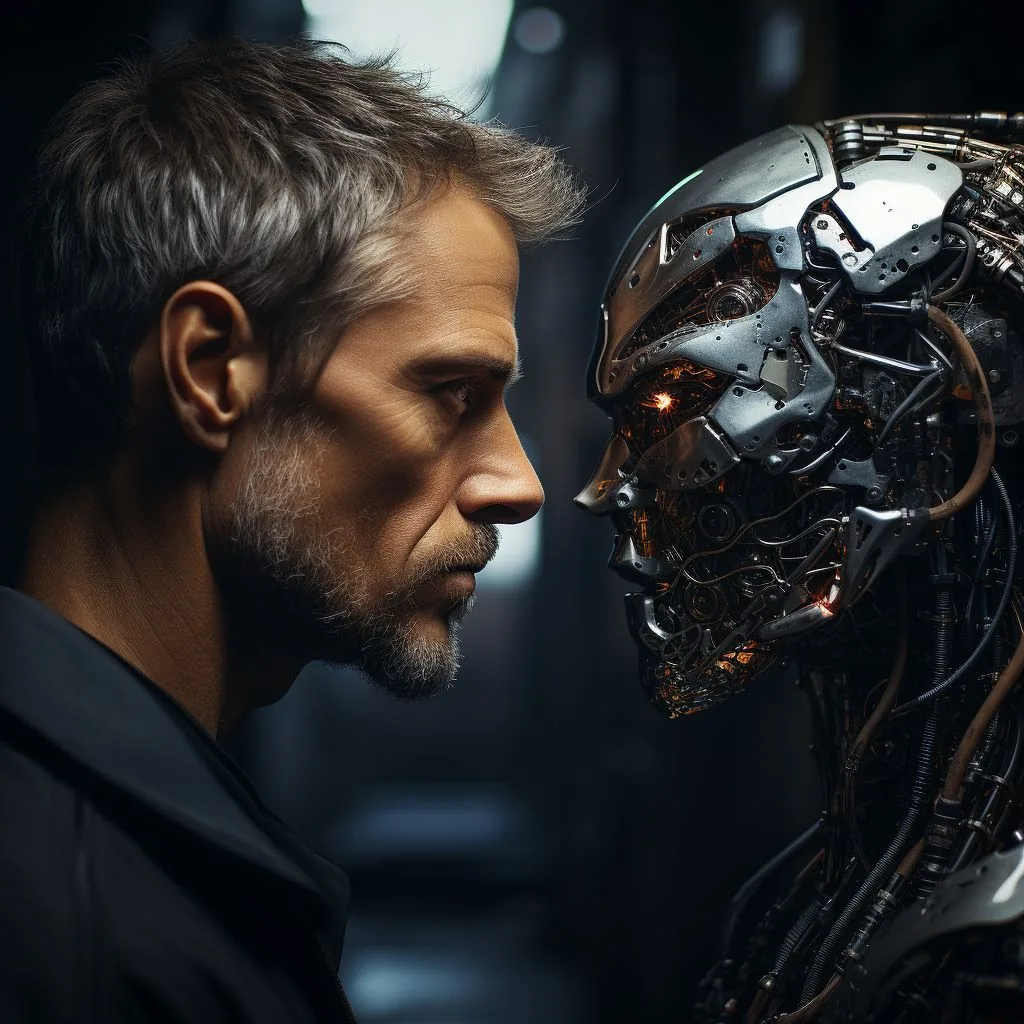
Artificial Intelligence (AI) has made significant strides in the past decades. From managing big data to emulating human conversation, AI is transforming the way we interact with the world. But while these technological wonders are powerful, there is one domain where humans remain unmatched: creativity and imagination.
AI systems, by design, operate based on existing information. They analyze, process, and produce results derived from datasets fed into them. These machines excel in pattern recognition, problem-solving within known parameters, and executing tasks at superhuman speeds. However, AI’s capabilities are rooted in things that have already been done, information that’s already available. The magic of human creativity, on the other hand, lies in our ability to think beyond the known, to dream of the yet-to-be-discovered, and to visualize the unimaginable.
Take the examples of historical luminaries like Albert Einstein and Leonardo da Vinci. Einstein’s theory of relativity revolutionized our understanding of time and space. He once remarked, “Imagination is more important than knowledge.” Da Vinci, a polymath, painted masterpieces and conceived inventions that were centuries ahead of his time. Could an AI, working solely from existing data, have conceptualized the Mona Lisa or envisioned the helical structure of DNA before it was discovered? It’s unlikely.
The unique human capacity for creativity isn’t just about artistic expression or scientific breakthroughs; it’s a fundamental aspect of our daily lives. We use our imagination to solve unforeseen problems, envision our future, and navigate complex social dynamics. This creativity grows and evolves over time. As we encounter new experiences, read books, engage with diverse people, and ponder on various topics, we continually enrich our mental reservoir. This ever-growing bank of knowledge and experience fuels our ability to innovate and adapt.
Furthermore, the brain’s neural plasticity means our cognitive functions, including imagination and creativity, can be nurtured and developed. Just as a muscle strengthens with use, our creative capacities expand as we challenge them.
So, while AI continues to advance and integrate more deeply into our lives, we must remember the irreplaceable value of human creativity. It’s a gift that allows us to envision worlds beyond the present, to dream of solutions to tomorrow’s challenges, and to create things that machines, bound by their programming, cannot even begin to comprehend.
In a world increasingly dominated by algorithms and digital processes, the call to action for us is clear: Dive into the depths of knowledge, constantly learn and interact with the world, and most importantly, never cease to imagine and create. Because therein lies our edge, our unmatched potential — the ability to bring to life the unimaginable, the unique creations that only a human mind can conceive.