The Most Important Thing in Communication Is Hearing What Isn’t Said (Drucker’s Rule)
Peter Drucker's most quoted communication rule: the most important thing is hearing what isn't said. Here's exactly how to read tone, silence, and subtext other people miss.
 Daniel
June 27, 2026
4 min read
29 views
Daniel
June 27, 2026
4 min read
29 views

Peter Drucker spent his life studying what makes organizations work, and he distilled decades of observation into one deceptively simple line:
“The most important thing in communication is hearing what isn’t said.” — Peter Drucker
Read it once and it sounds like a clever paradox. Sit with it and you realize it might be the single most useful sentence ever written about how humans actually understand each other. Because the truth is uncomfortable: most of what people mean never makes it into the words they choose.
Why the Words Are the Smallest Part
We treat communication like a transfer of information — I say a sentence, you receive it, done. But that model is wrong. People rarely say exactly what they mean. They hint. They soften. They protect themselves. They test the water before committing. An employee who says “I guess that could work” is not agreeing — they are telling you, as politely as they can, that something is wrong. A customer who goes quiet on a call hasn’t run out of questions; they’ve run out of trust.
The actual message lives in the gaps. In the pause before the answer. In the topic that gets carefully avoided. In the enthusiasm that’s a half-step too low. Drucker’s insight is that the skilled communicator listens to the words but listens for everything underneath them.
The Signals Behind the Silence
Once you start hearing what isn’t said, you notice the channels were there the whole time:
- Tone. The same three words — “it’s fine, really” — can mean genuine peace or quiet resentment. The dictionary can’t tell the difference. Your ears can.
- What gets left out. When someone praises every part of a plan except the one part you were worried about, their silence on that point is the answer.
- Hesitation. A delay before “yes” usually means “no, but I don’t know how to say it yet.”
- Repetition. People circle back to what’s really bothering them. The thing they mention three times in passing is the thing they actually called about.
- Body and energy. Crossed arms, a forced smile, a reply that’s faster or slower than it should be — the body narrates the parts the mouth won’t.
None of this is mind-reading. It’s attention. Most people are so busy preparing their reply that they hear only the surface and miss the message entirely.
Why It Matters More Than Ever
In an age of texts, emails, and rapid-fire video calls, we’ve stripped communication down to its thinnest layer — pure words, with almost none of the context that gives them meaning. That’s exactly why misunderstandings have multiplied. A one-line message lands as cold or curt because the warmth that would have lived in someone’s voice never made the trip.
The people who cut through this noise — the great managers, negotiators, leaders, and friends — aren’t louder or more articulate. They’re better listeners. They’ve trained themselves to ask, “What is this person really telling me?” and then to stay quiet long enough to find out.
How to Start Hearing It
You don’t need a personality transplant. You need a few deliberate habits:
- Stop rehearsing. You cannot listen for what isn’t said while composing what you’ll say next. Let the silence sit.
- Watch for the mismatch. When the words say one thing and the tone says another, believe the tone.
- Ask the second question. “How do you really feel about it?” gives people permission to say the part they were holding back.
- Notice your own gaps. Become aware of what you leave unsaid — and you’ll start recognizing it instantly in others.
The Deeper Playbook
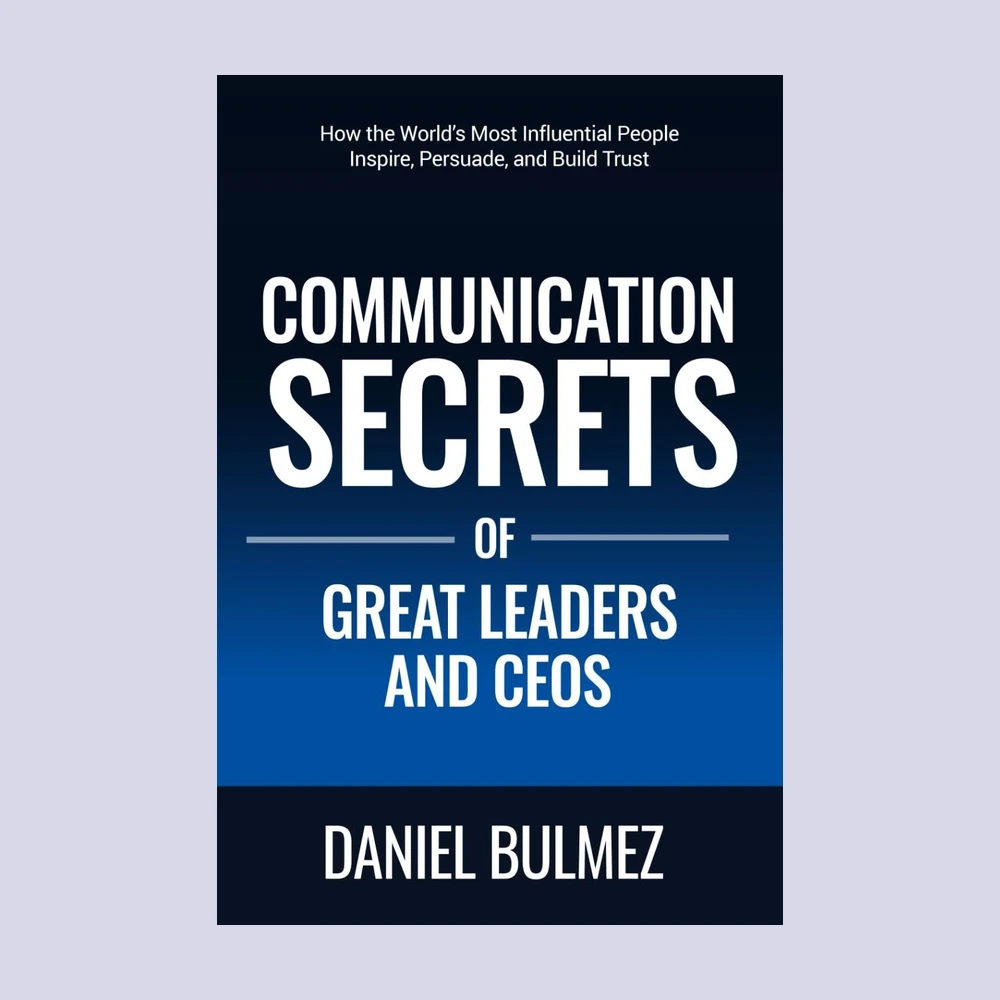
Drucker named the principle. Putting it to work — in a boardroom, a sales call, a tense conversation with someone you love — is a craft, and like any craft it can be learned. That’s the territory explored in Communication Secrets of Great Leaders, which breaks down how the most influential people read the room, hear the unspoken, and say the right thing at the right moment. If this quote landed, the book is the practical extension of it.
Because in the end, anyone can hear the words. The people who change minds, close deals, and build trust are the ones who learned to hear everything else.
Daniel Bulmez is the author of Communication Secrets of Great Leaders, available on Amazon.



Leave a comment
Your email address will not be published. Your first comment is read before it appears; after that they show straight away.