What Stands in the Way Becomes the Way: The Stoic Quote Behind “The Obstacle Is the Way”
What Marcus Aurelius meant by 'what stands in the way becomes the way' — the Stoic idea behind The Obstacle Is the Way, and how to use it this week.
 Daniel
September 5, 2026
4 min read
Daniel
September 5, 2026
4 min read

“The impediment to action advances action. What stands in the way becomes the way.”
Marcus Aurelius wrote that line in Book 5 of Meditations, and it’s since become one of the most repeated ideas in modern self-improvement writing — Ryan Holiday built an entire bestselling book around it. But the original line is stranger and more useful than the slogan it turned into. It isn’t saying obstacles are secretly good. It’s making a much more precise claim about how action actually works.
What the Quote Is Actually Saying
Read it slowly and it splits into two moves. First: an obstacle to one action becomes the raw material for a different action. A blocked road doesn’t stop the traveler — it just changes which road they take. Second, and this is the part people skip: “what stands in the way becomes the way” isn’t a promise that things work out. It’s a description of how a capable mind treats a blocker — not as a stop sign, but as the new input to work with. The obstacle doesn’t disappear. It gets absorbed into the plan.
Why This Isn’t the Same as “Everything Happens for a Reason”
That phrase asks you to believe the obstacle was secretly good all along, which is a claim about the universe you can’t verify and often shouldn’t try to. Marcus Aurelius makes a smaller, checkable claim: you get to decide what the obstacle becomes, because your response to it is the one variable you actually control. A canceled meeting isn’t secretly a gift. But what you do with the freed hour is entirely up to you, and that part is real and immediate, not a story you have to believe on faith.
Where This Shows Up in Ordinary Weeks
You don’t need a war or an empire to test this. A client says no, and the objection they raised becomes the exact thing your next pitch fixes. A project gets cut, and the skill you built finishing half of it turns out to matter more than the project would have. A body that won’t cooperate the way it used to forces a different kind of training, and that different kind ends up being the one that actually lasts. None of these are obstacles disguised as blessings. They’re obstacles that got put to work because someone decided to use them instead of just absorbing the hit.
How to Actually Use the Idea When Something Blocks You
Name the specific block, not the general feeling. “This is terrible” doesn’t give you anything to work with. “This client wants a lower price than I quoted” does — it’s a fact you can act on.
Ask what the block makes possible that wasn’t possible before. Not what it ruins — what it opens. A canceled trip opens a free weekend. A rejected proposal opens a rewrite with better information than you had the first time.
Move on the new path immediately, even in a small way. Marcus Aurelius wasn’t a fan of long contemplation before action. The value of the idea comes from acting on it the same day the obstacle shows up, before the frustration hardens into a story about how the situation is hopeless.
The Line’s Staying Power
Two thousand years after it was written, in a private journal never meant for readers, the line still gets quoted because the underlying situation is universal: something blocks the plan, and you get exactly one choice about what happens next — treat it as an ending, or treat it as new material. Marcus Aurelius picked the second option consistently enough that people are still reading his notes about it.
Where to Go Deeper
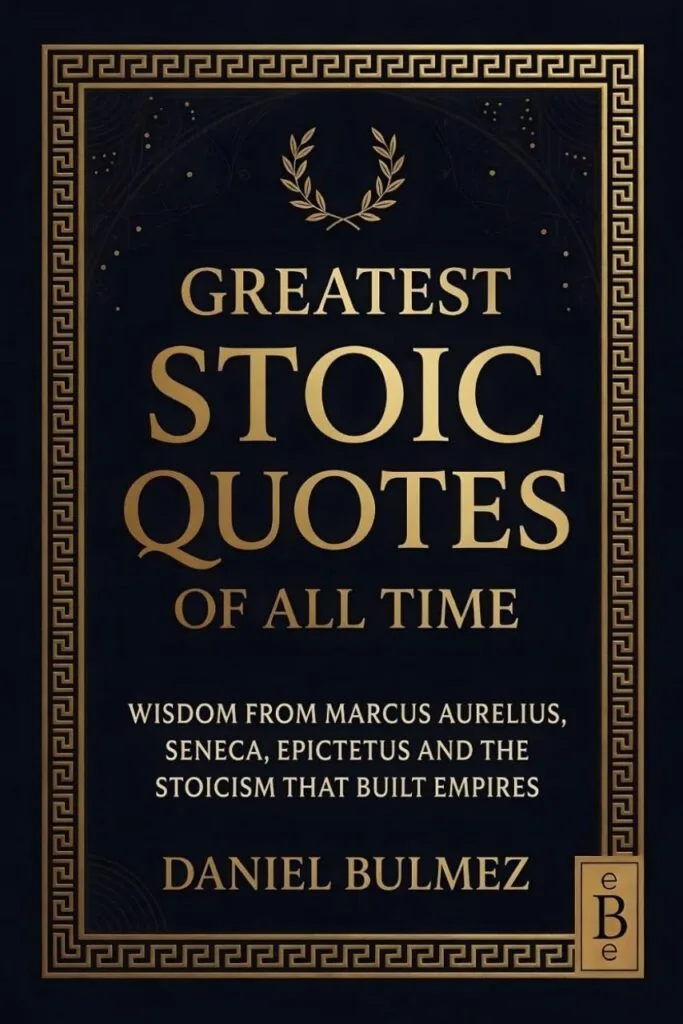
This is one line out of hundreds Marcus Aurelius, Seneca, and Epictetus wrote on exactly this kind of pressure. Greatest Stoic Quotes of All Time collects 152 of the strongest passages from all three, sorted into 18 categories by the actual problem each one answers — obstacles, fear, discipline, grief, leadership, and more — each with a short, plain-language reflection so you don’t need a philosophy background to use it. Keep it on the desk. Open the right category on the day you need it.
Daniel Bulmez is the author of Greatest Stoic Quotes of All Time, available now.