The Best Nonfiction Books for Kids Who “Hate Reading”
Real nonfiction books that work for kids who say they hate reading — bite-sized facts, big pictures, browsable pages, and nothing to read cover to cover.
 Daniel
September 17, 2026
5 min read
Daniel
September 17, 2026
5 min read
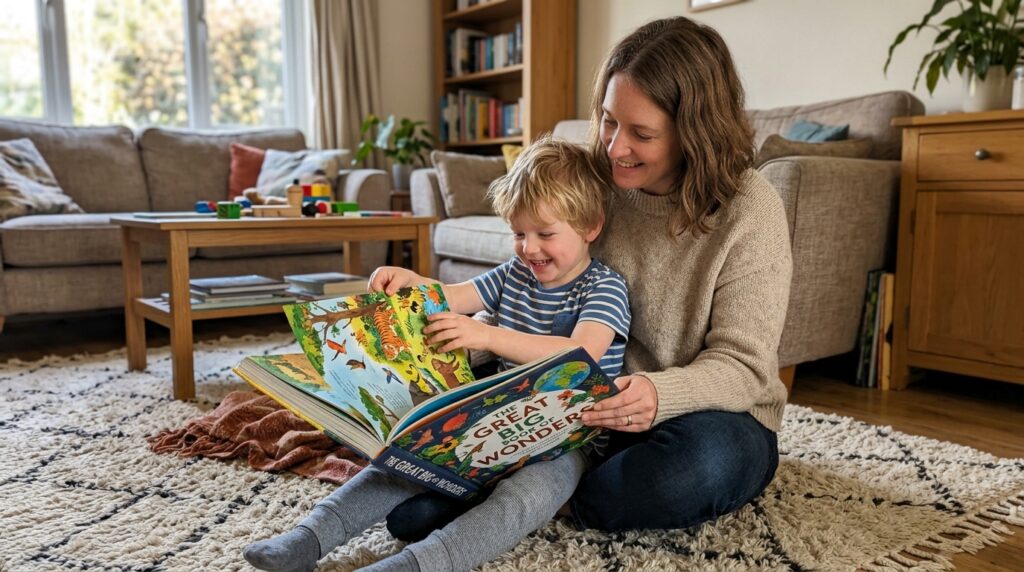
“Hates reading” is one of the most common things a parent says about a kid — and one of the least accurate. Most “reluctant readers” aren’t actually reluctant about reading. They’re reluctant about the specific kind of reading school hands them: long chapters, a plot to track, characters to remember from fifty pages ago. Nonfiction skips almost all of that. A kid can open to any page, read one caption or one fact box, learn something weird enough to repeat at dinner, and put the book down without losing a thread. That’s not a workaround for a reluctant reader — it’s often just a better format for how a curious, impatient kid actually reads. Here are the nonfiction books that consistently work for kids who’d rather do almost anything else than sit through a novel.
Why “Hates Reading” Often Just Means “Hasn’t Found Their Format”
Kids who struggle with fiction are frequently the same kids who will happily flip through a fact book for an hour. The difference is structure. A novel demands linear attention — miss a page and you’re lost. A good nonfiction book for kids is built to be dipped into: short entries, strong photos or illustrations, and no penalty for skipping around. The books below share that shape. None of them require a kid to start at page one and read straight through, and that’s exactly the point.
The Best Nonfiction Books for Kids Who’d Rather Do Anything Else
1. Smart Kids Ask Why: The History of the World
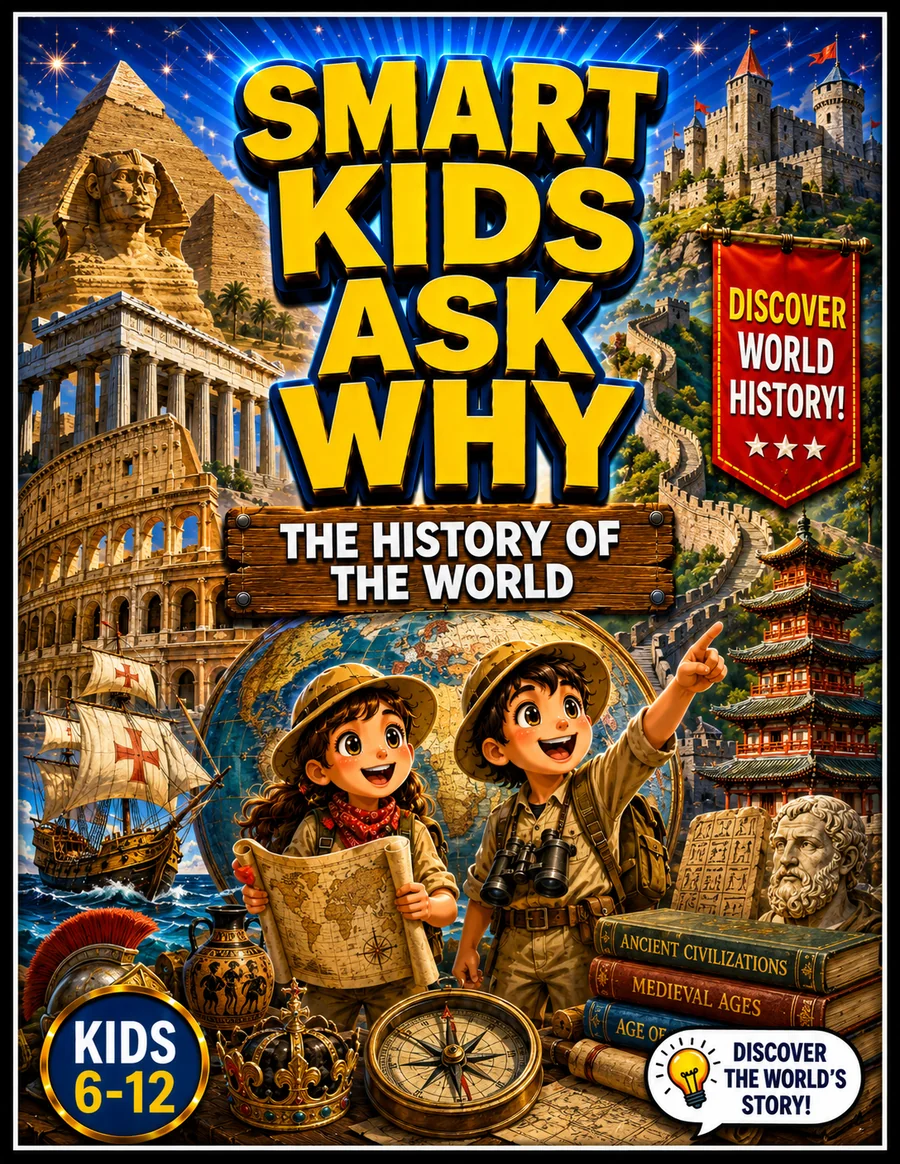
This one was built specifically for kids who won’t read a textbook. It covers 101 full-color pages of world history, from ice-age campfires to the moon landing, and every page is one big moment: a full-page illustration, four bite-sized facts, and one fun fact, guided by a recurring kid explorer character. Across 17 chapters, there’s no chapter a kid has to finish before jumping to the next one — which makes it an easy sell to a kid who says history books are boring.
2. Smart Kids Ask Why: Dinosaurs!
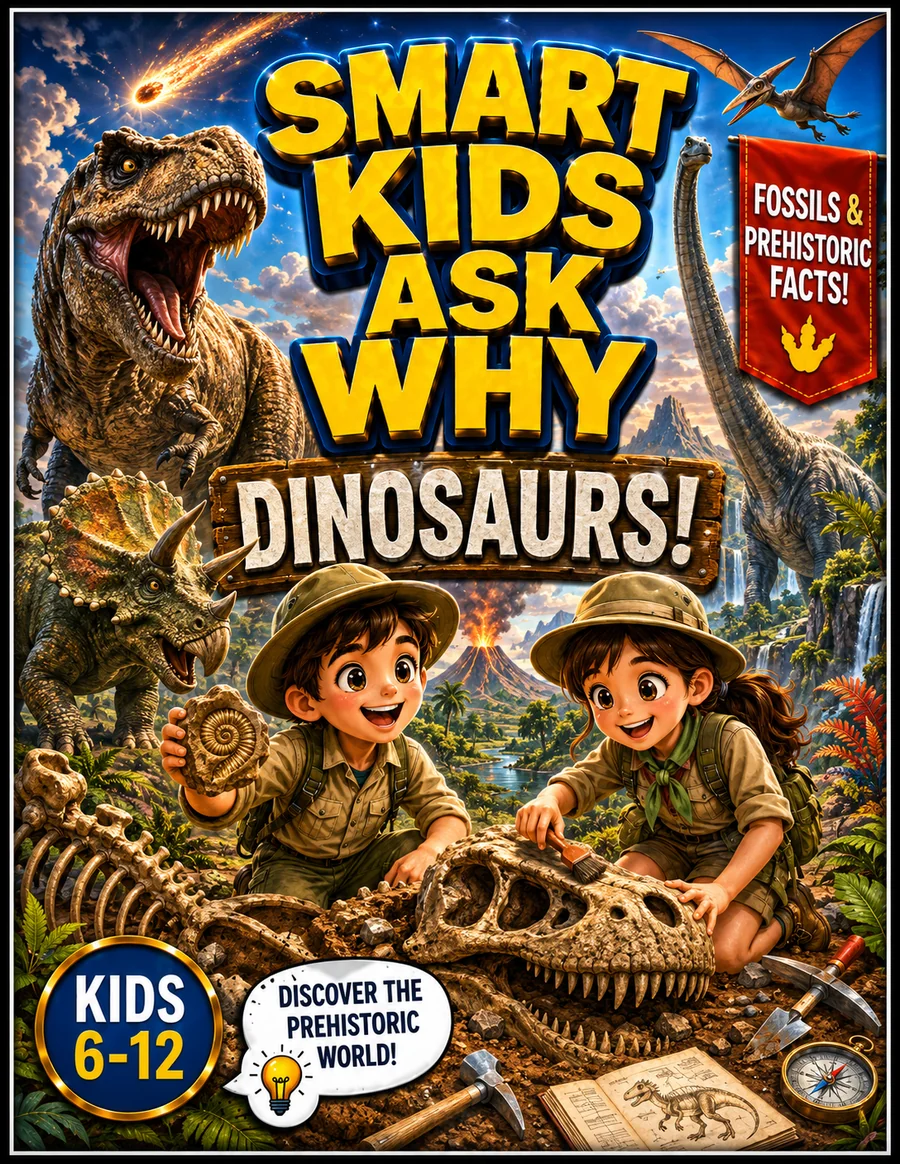
Dinosaurs are the original reluctant-reader hook — plenty of kids who won’t touch a book otherwise will read anything with a T. rex on the cover. This one leans into that with 112 full-color pages where every page starts with a “why,” plus profile-card spreads on roughly twenty famous dinosaurs, including T. rex and Giganotosaurus. It’s built for browsing, not marathon reading, which is exactly what makes it work.
3. Guinness World Records
The annual record book is a genre unto itself for reluctant readers. It’s almost entirely photos, rankings, and one- or two-sentence records, so a kid can spend twenty minutes with it without reading a single full paragraph in order. New editions come out every year, which also makes it an easy repeat gift.
4. DK Eyewitness Books
This long-running series covers single topics — ancient Egypt, the ocean, space, the human body — as photographic encyclopedias rather than narratives. Real photographs dominate each spread, with short captions and fact boxes doing the explaining. Because there’s no story to follow, a kid can grab whichever topic they’re currently obsessed with and get real information fast.
5. Who Was…? / Who Is…? series
These are short biography chapter books on historical and contemporary figures, written at an accessible reading level with simple black-and-white illustrations throughout. They’re longer and more text-heavy than the other picks here, which makes them a good bridge for a reluctant reader who’s ready to handle more pages, as long as the subject is someone they already care about.
6. Horrible Histories
This series covers history’s grosser, stranger, and funnier details — the parts textbooks leave out — with cartoon illustrations and a comic, irreverent tone throughout. It’s a favorite specifically among kids who’ve decided history is boring, because it’s built to prove them wrong one gross fact at a time.
7. Ripley’s Believe It or Not!
Another annual, built around bizarre-but-true stories and record-setting oddities, told in short entries alongside heavy photography and illustration. Like the Guinness books, it rewards flipping rather than reading start to finish, which is exactly the skill a reluctant reader already has.
8. I Survived True Stories
A nonfiction companion to Lauren Tarshis’s popular “I Survived” fiction series, covering the real history behind historical disasters and survival events in short chapters with photos and sidebars. It’s a strong pick for a kid who already loves the novels but reads better in short bursts than long ones.
9. National Geographic Kids Almanac
An annual reference packed with photography, trivia, and short entries spanning animals, geography, and science. Like the other annuals on this list, it’s designed for grazing — a kid can open to any page and find something worth reading in under a minute.
How to Pick the Right One
Start with what already has your kid’s attention, not what you think they should be reading. A dinosaur-obsessed kid should get the dinosaur book before the biography series. A kid who likes gross facts more than plots should get Horrible Histories before anything narrative. The annuals — Guinness, Ripley’s, the Nat Geo Almanac — are safe universal picks because there’s no wrong entry point. And for a genuinely first “real” nonfiction book, something built around one moment per page, like Smart Kids Ask Why, tends to work better than a book that assumes a kid will read it front to back, because it doesn’t ask them to.
Daniel Bulmez is the author of the Smart Kids Ask Why book series, available on this store and on Amazon.