Additional information
| Daily lessons | 95 |
|---|---|
| Pages | 224 |
| Page size | 6 × 9 in |
| Format | Paperback |
| Translation | P. E. Matheson (1916), unchanged |
| ISBN | 978-1-997718-78-9 |
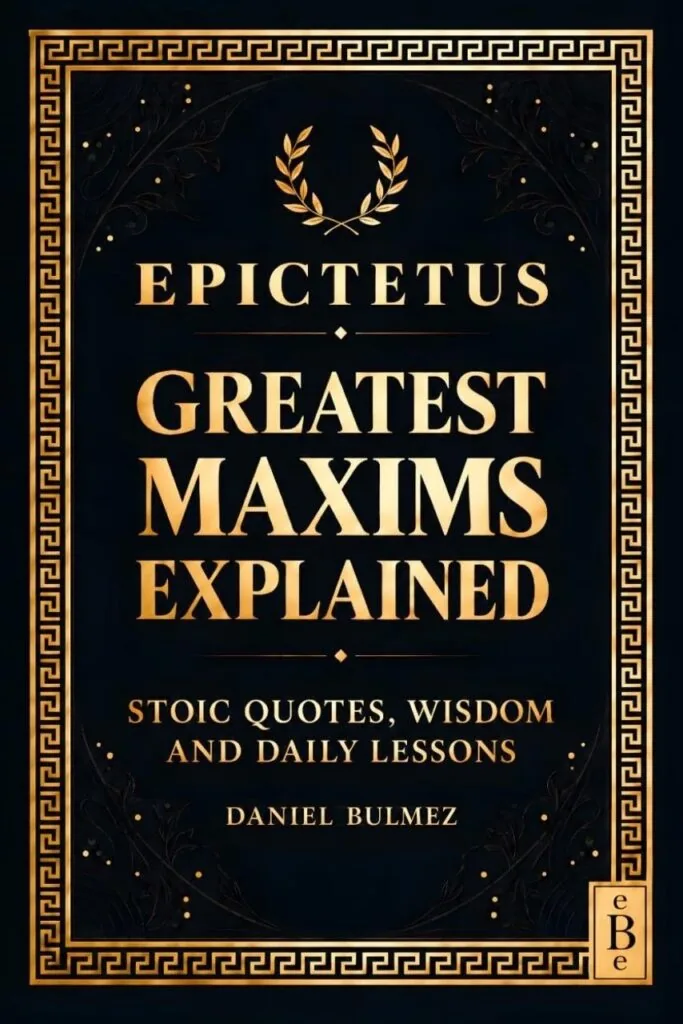
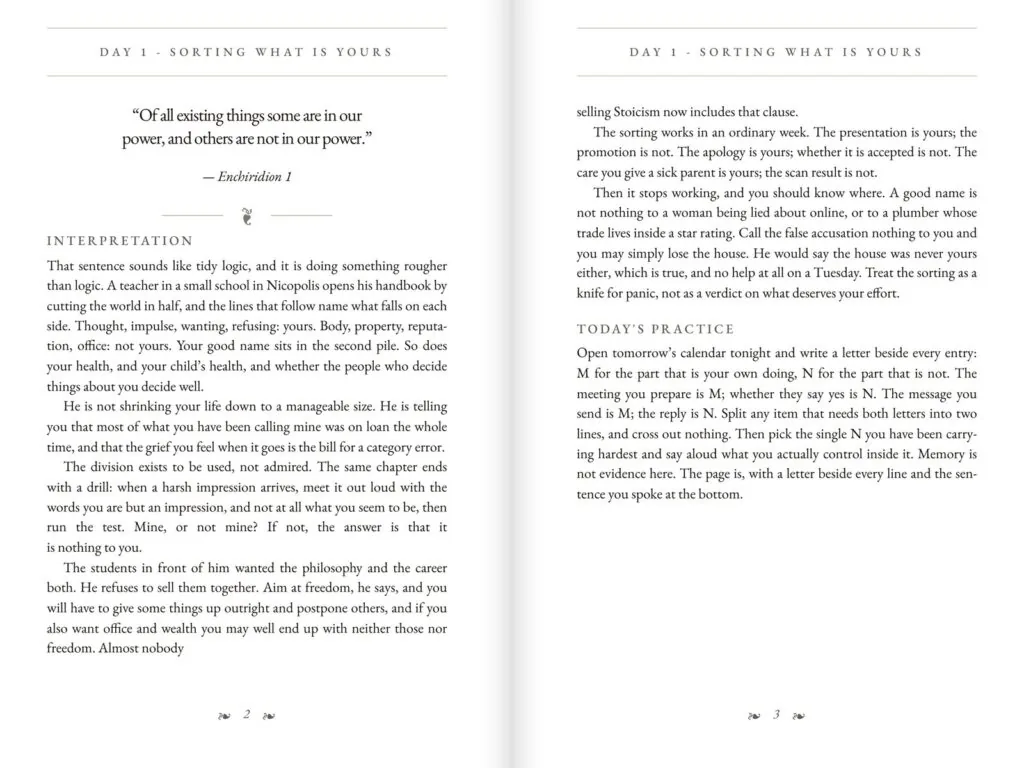
95 passages from the Discourses, the Enchiridion and the Fragments, a lesson a day across 9 chapters. Each fills two pages: the text, what Epictetus was arguing, and one task to finish today.
95 passages from the Discourses, the Enchiridion and the Fragments, a lesson a day across 9 chapters. Each fills two pages: the text, what Epictetus was arguing, and one task to finish today.
Epictetus never wrote any of this down. A former slave with a lame leg, he taught at Nicopolis after Domitian drove the philosophers out of Rome, and a student, Arrian, kept notes. Here are 95 passages from the Discourses, the Enchiridion and five Fragments, in 9 chapters, two pages each.
Each passage is printed as P. E. Matheson translated it in 1916, cited underneath. On Day 63 a nurse strikes the stone a child tripped over, and the interpretation follows that reflex into your own week. Today's Practice comes last: on Day 9, nothing that stings gets answered for ten minutes.
Plenty of what circulates as Epictetus is not his. Matheson ran 723 one-line summaries down his margins, and those tidy lines are the ones that travel. All of them are gone, with the fragments his edition marks as doubtful. Where Epictetus is cold, as in his advice on sitting with a grieving friend on Day 13, the page says so.
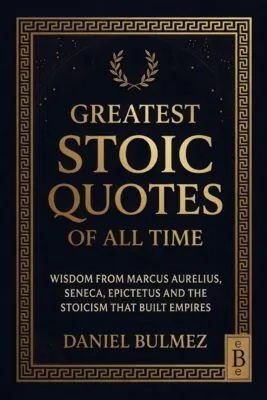
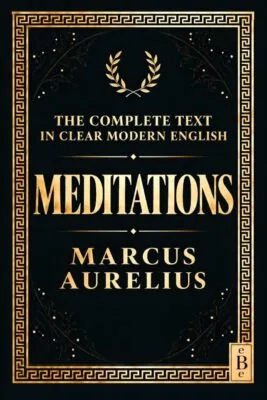
Marcus Aurelius read him and quotes him in his notebook. Marcus Aurelius Greatest Meditations Explained and Seneca Greatest Letters Explained use the same two-page pattern for the emperor's notes and Seneca's letters; this is the teacher. Greatest Stoic Quotes of All Time gathers 152 shorter lines from the whole school.
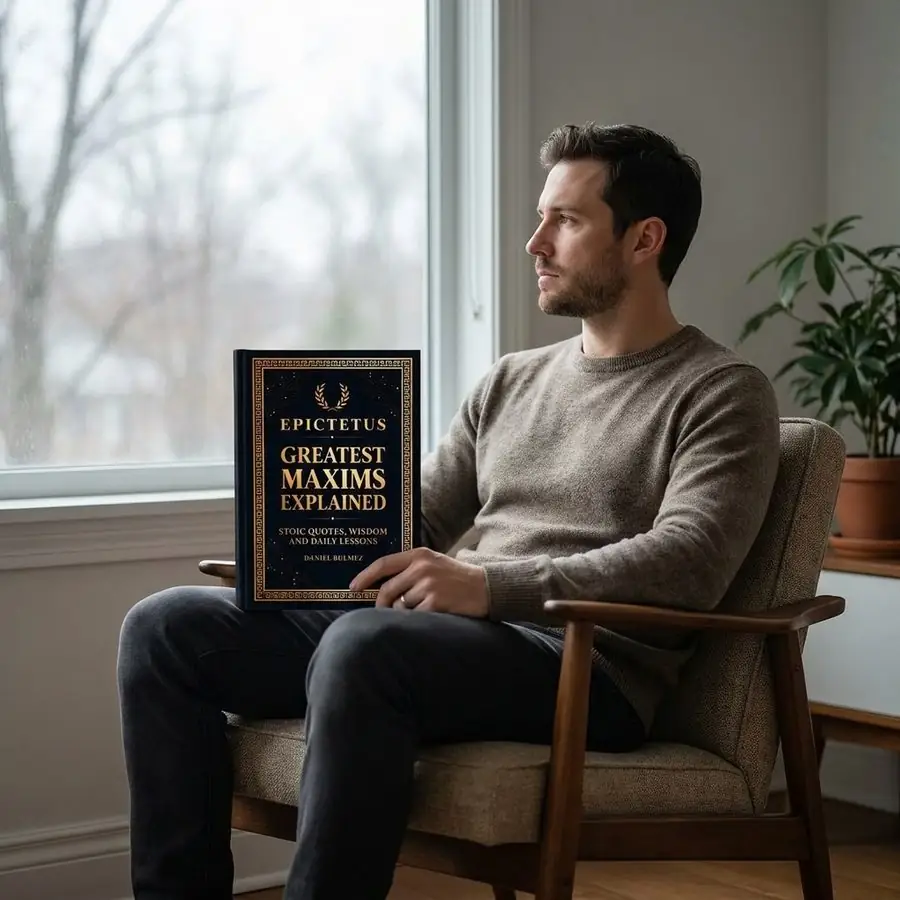
Much of what gets quoted under his name was written by his translator in a margin, or comes from fragments marked doubtful.
Matheson's 1916 edition prints a one-line summary in the margin, 723 of them, neater than the real sentences and so repeated more. This book removes every one, drops the doubtful fragments, and checks each remaining line against its argument.
What is left is colder than the posters, and more useful. He splits the world into what is up to you and what is not, then has you sort tomorrow's calendar along that line.
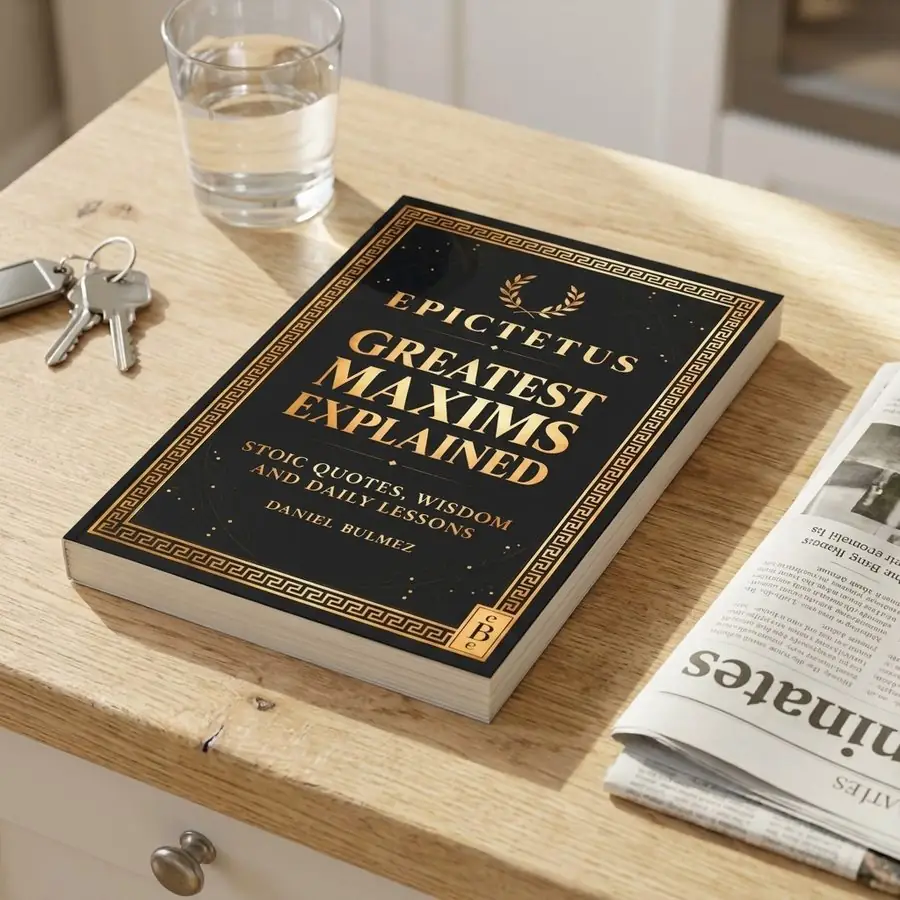
Marcus read Epictetus and quotes him in his private notebook. This is the teacher underneath, taken one passage at a time.
The scan result, the reply, whether the offer comes. Day 1 has you mark every entry in your calendar as your part or not your part.
Where he is cold, as on Day 13 about a grieving friend, or where a line could be turned against someone being hurt, as on Day 9, the page says so plainly.
Any of these sound familiar? Begin with Day 1.
Every lesson fills exactly two pages, and the parts always come in the same order.
Matheson's 1916 English with no wording changed, cited so you can look it up in any complete edition.
Who was in the room, what the line is attached to, and where it breaks down in a modern life.
Small and specific, with a plain test at the end: a tally, a ten-minute wait, a letter beside each entry.
Marcus and Seneca, explained the same way, and 152 quotes in Greatest Stoic Quotes.
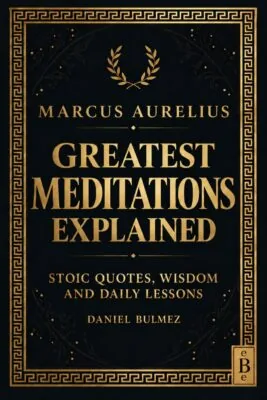
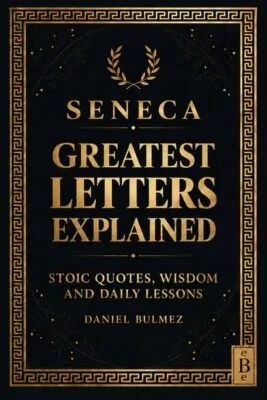
Its dedication is to anyone who did not choose the part they were given. Point them to Day 43, where the cast was decided elsewhere and the playing is still theirs.
The price is not printed on the book, so it can be handed over as it is.
Enter the recipient’s address at checkout and it goes direct, with no stop at your house first.







P. E. Matheson's, published at Oxford in 1916 and now in the public domain. The wording is his and unchanged, and no modern translation was consulted. Each passage is cited by Discourse, Enchiridion chapter or Fragment.
It may never have been his. The 723 margin summaries and the fragments the edition marks as doubtful were removed, and so were lines spoken by his students or by imagined opponents.
The format is the same: a passage, two pages on it, and a task. Marcus kept a private notebook and Seneca wrote letters. Epictetus taught a class, and these are mostly his lessons as a student took them down.
Yes. Choose Digital above the button for the PDF and ePub, with download links on the confirmation page and in your order email.
95 Epictetus passages, cited and unaltered, each explained in context and closed with one task for the day.
| Daily lessons | 95 |
|---|---|
| Pages | 224 |
| Page size | 6 × 9 in |
| Format | Paperback |
| Translation | P. E. Matheson (1916), unchanged |
| ISBN | 978-1-997718-78-9 |