

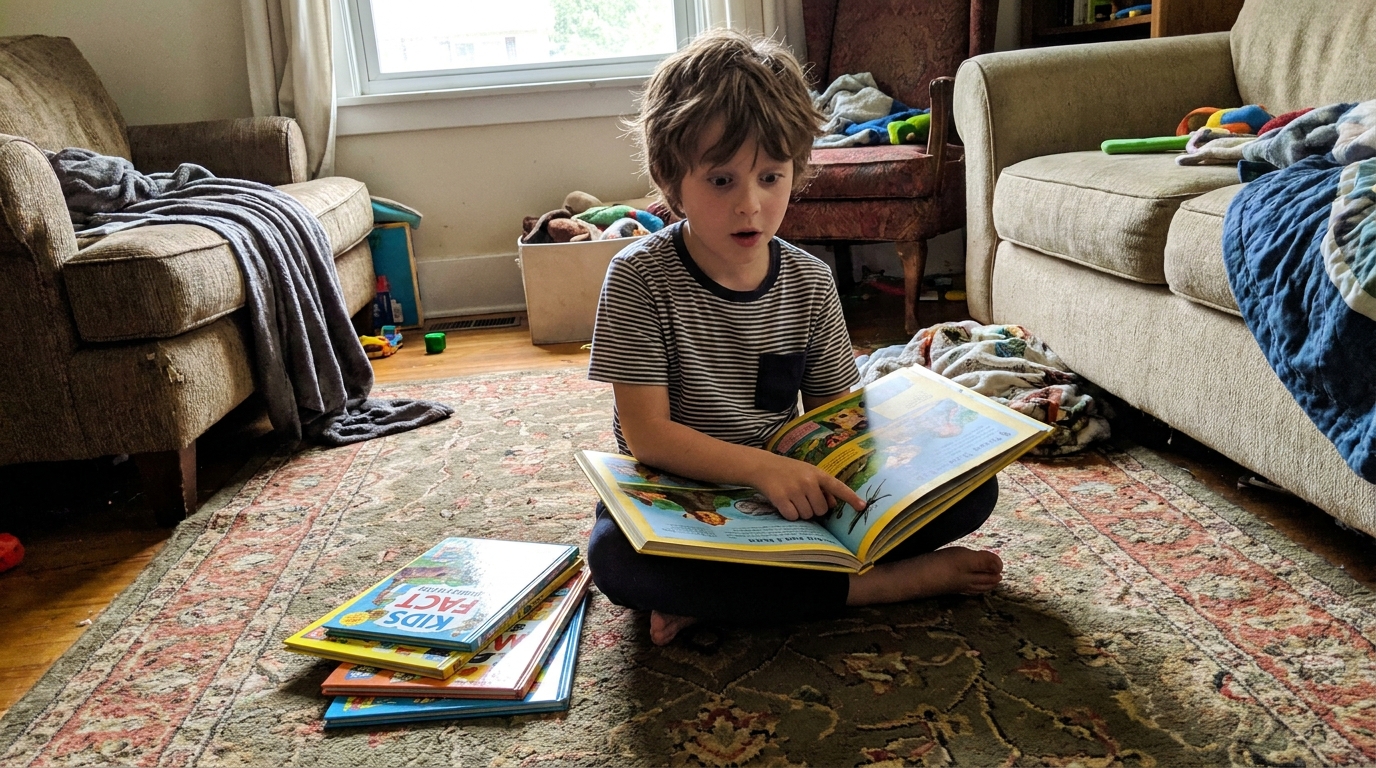
If your kid has read every Weird But True book on the shelf twice and still wants more, you already know what’s hooking them: bite-sized facts weird enough to repeat at dinner, no chapters, no plot, just page after page of “wait, THAT’S real?”
The best alternatives keep that same formula — short, standalone facts, heavy on photos or illustrations, built to be flipped through in any order instead of read start to finish. Some swap trivia for records, some swap random topics for one big story, but the core appeal stays the same: surprise, on tap.
Here are nine books that scratch the same itch, tested against a household of real fact-obsessed kids.
1. Smart Kids Ask Why: The History of the World
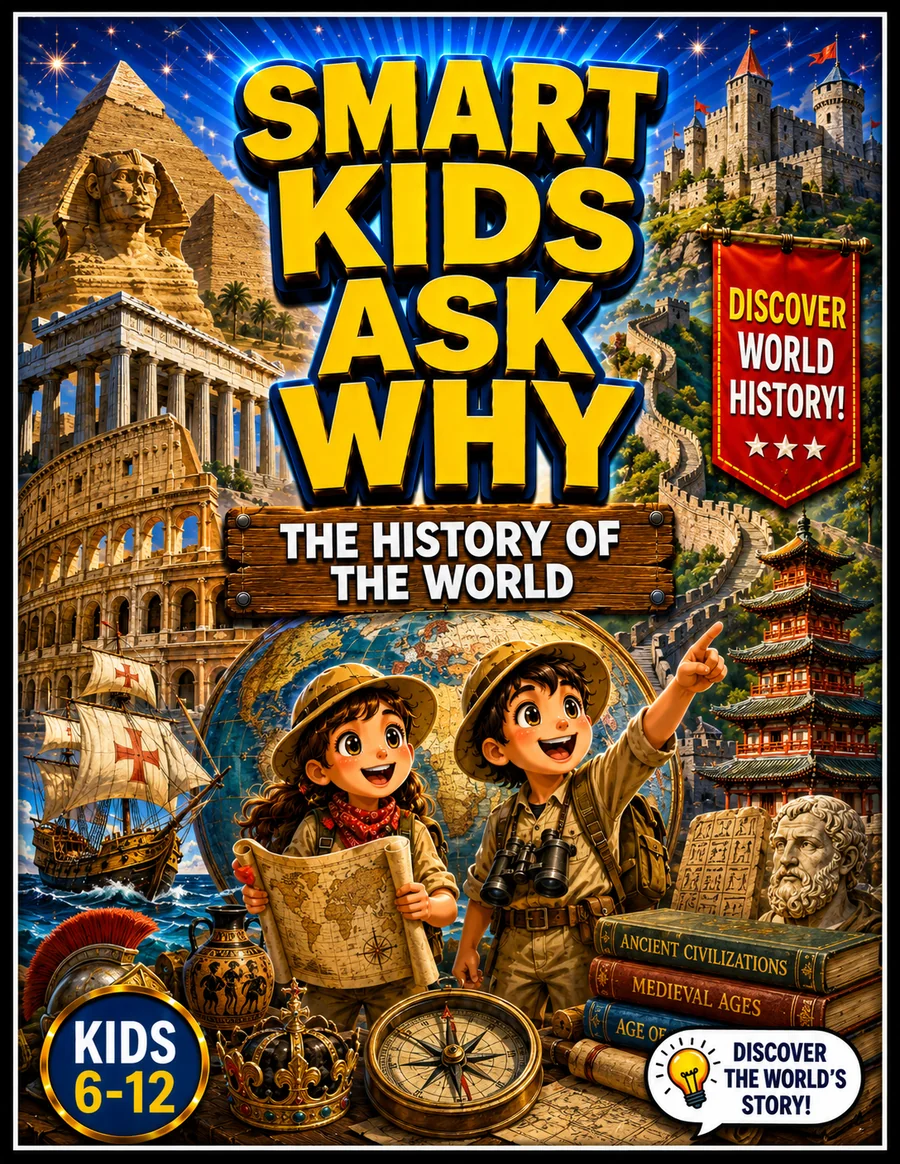
Instead of scattering facts across unrelated topics, this one gives the “weird but true” format a spine: 101 full-color pages running from ice-age campfires to the moon landing, with one big historical moment per page — a full-page illustration, four bite-sized facts, and a “fun fact” strange enough to repeat at the dinner table. A recurring kid explorer asks the same questions your child would. Best for ages 7 and up, available here on our store.
2. Smart Kids Ask Why: Dinosaurs!
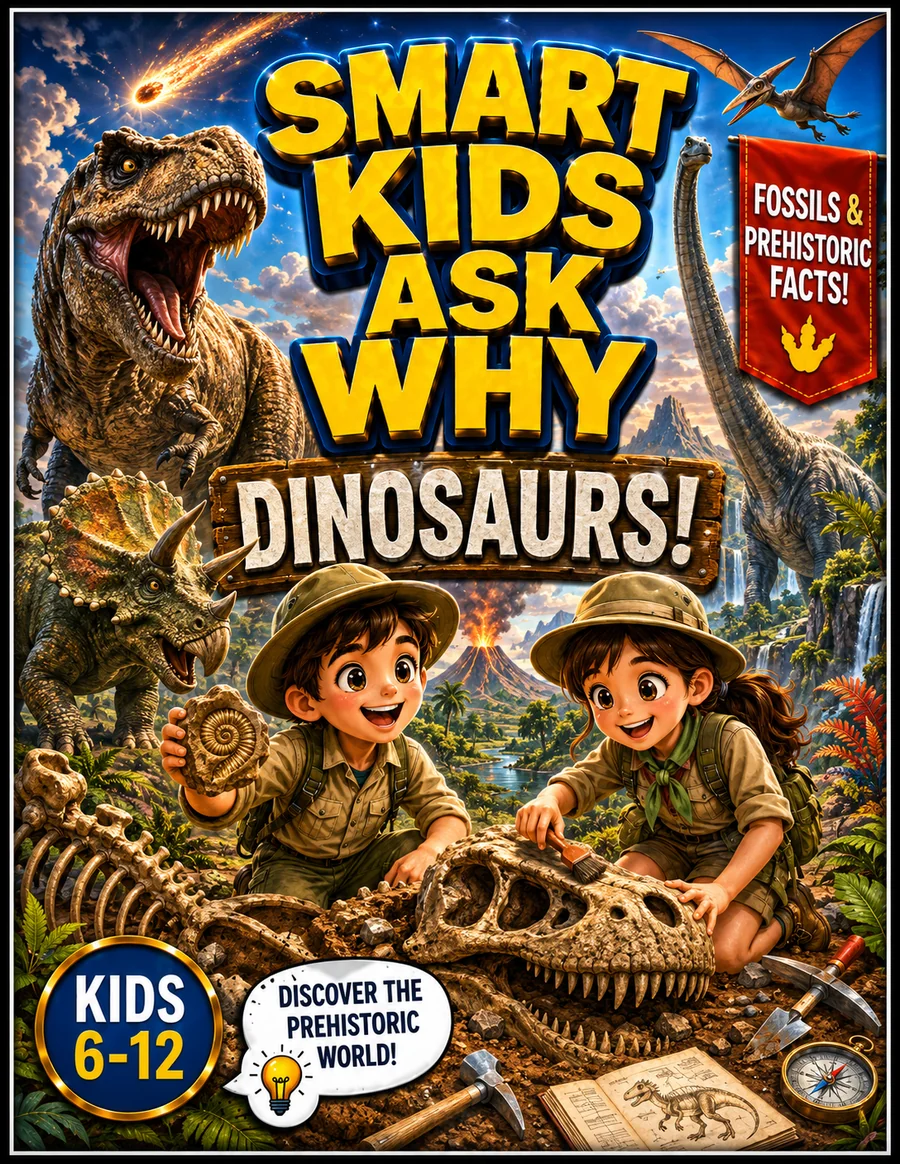
Same one-page, one-surprise structure, aimed at the topic most “weird but true” fans already love. 112 full-color pages cover what dinosaurs were and how we know about them, plus profile-card spreads on around 20 famous dinosaurs — T. rex, Giganotosaurus, and the rest of the lineup kids argue about at recess. Every page starts with a “why,” same as the books your kid has already worn out. Available here.
3. National Geographic Kids: 5,000 Awesome Facts (About Everything!)
The closest sibling to Weird But True on this whole list — same publisher, same one-fact-at-a-time format, just bigger. Full two-page spreads packed with photography and short facts on dinosaurs, the brain, castles, weather, and pretty much anything else a kid could ask about. Meant to be a dip-in book, not a read-through-once book, which is exactly the point.
4. Weird But True! Know-It-All (National Geographic Kids)
If your kid has actually finished the main series, this is the natural next stop — same publisher, same short-fact format, but each volume goes deep on one subject instead of everything at once (rocks and minerals, ancient Egypt, and U.S. presidents are a few of the topics covered). A good pick once a general obsession with “weird facts” narrows into a specific one.
5. Ripley’s Believe It or Not! Special Edition
An annual hardcover that’s been published every year since 2004, built around odd-but-true stories and photos rather than one-line facts — a boat made from a giant pumpkin, a house built of bottles, unusual animals and people from around the world. It reads more like a scrapbook of oddities than a fact list, which makes a nice change of pace from more fact-dense trivia books.
6. Guinness World Records
The record-book version of the same appeal — instead of “weird facts,” it’s “the most extreme version of everything,” updated every year with new records, photos, and infographics across sports, animals, technology, and human achievement. Kids gravitate to it for the superlatives: biggest, fastest, weirdest, most.
7. Guinness World Records: Amazing Animals
A themed spinoff of the main annual, narrowed down to wildlife and pets — animal records, photos, and a few quizzes and puzzles mixed in. A good pick if your kid’s “weird but true” obsession leans specifically toward animals rather than everything under the sun.
8. Uncle John’s Bathroom Reader For Kids Only!
Part of the long-running Bathroom Readers’ Institute series, organized into short, medium, and long facts so kids can grab a quick one or settle in for something longer, with trivia, jokes, and quizzes mixed together by topic. Less polished than the National Geographic titles, but the grab-bag format rewards kids who like flipping to whatever catches their eye first.
9. DK Children’s Encyclopedia: The Book That Explains Everything
More encyclopedia than fact list, but it earns a spot here for how it’s built: single-page topics, each a self-contained visual spread with photos and short blocks of text, cross-referenced to related pages elsewhere in the book. A natural next step once a kid has outgrown one-line facts and wants a bit more explanation to go with the surprise.
How to Pick the Right One
A few things worth knowing before you buy, from watching kids actually use these books:
- Match the format to attention span, not age. Some kids want the shortest possible fact and straight on to the next page (Weird But True, Smart Kids Ask Why). Others will happily sit with a longer story (Ripley’s Special Edition). Both are “fact books” — they don’t read the same.
- Follow the obsession, not the category. A kid deep into dinosaurs or animals will read a themed book — Guinness World Records: Amazing Animals, Smart Kids Ask Why: Dinosaurs! — far above their usual reading level.
- Once the format works, repeat it before you replace it. A kid who has worn out one general fact book usually wants more of the same shape, not something completely different — a themed spinoff or a related title, not a novel.
The whole point of books like Weird But True is to keep curiosity moving without a fight — because a kid who reads for the next surprise, rather than because they were told to, is a kid who reads for life.
Daniel Bulmez is the author of the Smart Kids Ask Why book series, available on this store and on Amazon.