Presentation Skills: The Ones That Actually Get You Remembered
Slide design and rehearsed delivery aren't what makes a presentation land. Here are the presentation skills that actually get a room to remember what you said.
 Daniel
August 27, 2026
5 min read
6 views
Daniel
August 27, 2026
5 min read
6 views

Two people present the same quarterly numbers to the same room. One has 40 slides, a polished deck, and reads every bullet point almost word for word. The other has 12 slides, half of them just a single number, and spends most of the meeting talking directly to the room instead of the screen. A week later, nobody in that meeting can recall a single slide from the first presentation. Almost everyone remembers the one number the second person circled and repeated twice. That’s the actual mechanic behind presentation skills — it was never about the deck. It’s about what the room is still holding onto after you’ve stopped talking.
Most presentation advice is really slide-design advice: fewer bullets, bigger fonts, better transitions. That’s polish, not skill, and polish is the first thing forgotten. What separates a presentation people remember from one they sat through is a small set of structural and delivery habits that have almost nothing to do with PowerPoint and everything to do with how the human brain decides what’s worth keeping.
1. Open With the Conclusion, Not the Agenda
Most presentations open with “today I’m going to cover three things” — an agenda slide that tells the room nothing and gives them permission to check out until something interesting shows up. Open with the actual finding instead: the number, the decision, the recommendation. “We should delay the launch two weeks” lands harder in the first ten seconds than any agenda ever will, and it gives the room a frame to hang the rest of the presentation on instead of making them build one from scratch as you go.
2. Build the Deck Around One Number, Not Twenty
A room can hold one number. It cannot hold twenty. Pick the single figure the presentation actually hinges on — the metric that changes the decision — and build everything else in support of it. Presenters who get remembered aren’t the ones who covered the most ground; they’re the ones who made one thing impossible to forget. If you can’t name the one number your presentation is built around before you open the deck, the deck isn’t ready yet.
3. Talk to the Room, Not the Screen
Reading slides out loud is the single fastest way to lose a room, because the audience can read faster than you can talk — the moment you’re narrating text they’ve already absorbed, their attention leaves the room entirely. Slides should hold what the room can’t get from listening: a chart, a photo, a number too specific to say twice. Everything else belongs in your mouth, not on the screen, delivered while looking at the people you’re trying to convince.
4. Use Silence the Way You’d Use a Slide
The pause after a key point does more work than almost any visual you could put up. A beat of silence after “we lost 12% of enterprise renewals this quarter” gives the number room to actually register instead of getting run over by the next sentence. This is the same charismatic voice mechanic that works in any high-stakes conversation — pace, pause, and the willingness to let a number sit there unexplained for a second longer than feels comfortable.
5. Rehearse the First 30 Seconds Out Loud, Not the Whole Thing
Most people rehearse a presentation by reading through the slides silently in their head, which trains something no audience ever experiences. The 30 seconds that actually decide whether a room leans in or checks out is the opening — so rehearse that part out loud, standing up, several times, and let the rest of the presentation stay looser and more conversational. A tightly scripted opening followed by a natural middle reads as far more confident than a presentation that’s uniformly memorized and uniformly flat.
6. Handle Questions Like Part of the Presentation, Not an Interruption
The Q&A is where most of the actual persuasion happens, and most presenters treat it like the part they have to survive after the “real” presentation is over. Prepare for the three hardest questions the room is likely to ask before you ever open the deck, and answer them the same way you’d answer in a difficult conversation — directly, without defensiveness, in one clean sentence before you elaborate. A well-handled hard question is remembered longer than almost anything on the slides.
7. End on the Number You Opened With
Come back to the same figure or decision you opened with, restated once, with nothing new added after it. The last thing said in a presentation is disproportionately what a room carries out the door, and a lot of good presentations get diluted by a closing slide that tries to summarize everything instead of re-landing the one thing that mattered. Say the number. Stop talking.
What Actually Makes a Presentation Memorable
It was never the deck. It’s leading with the conclusion, building around one number, talking to the room instead of the screen, using silence deliberately, rehearsing the opening rather than the whole script, treating questions as part of the pitch, and closing on the same point you opened with. None of it requires design skill. All of it is structure and nerve.
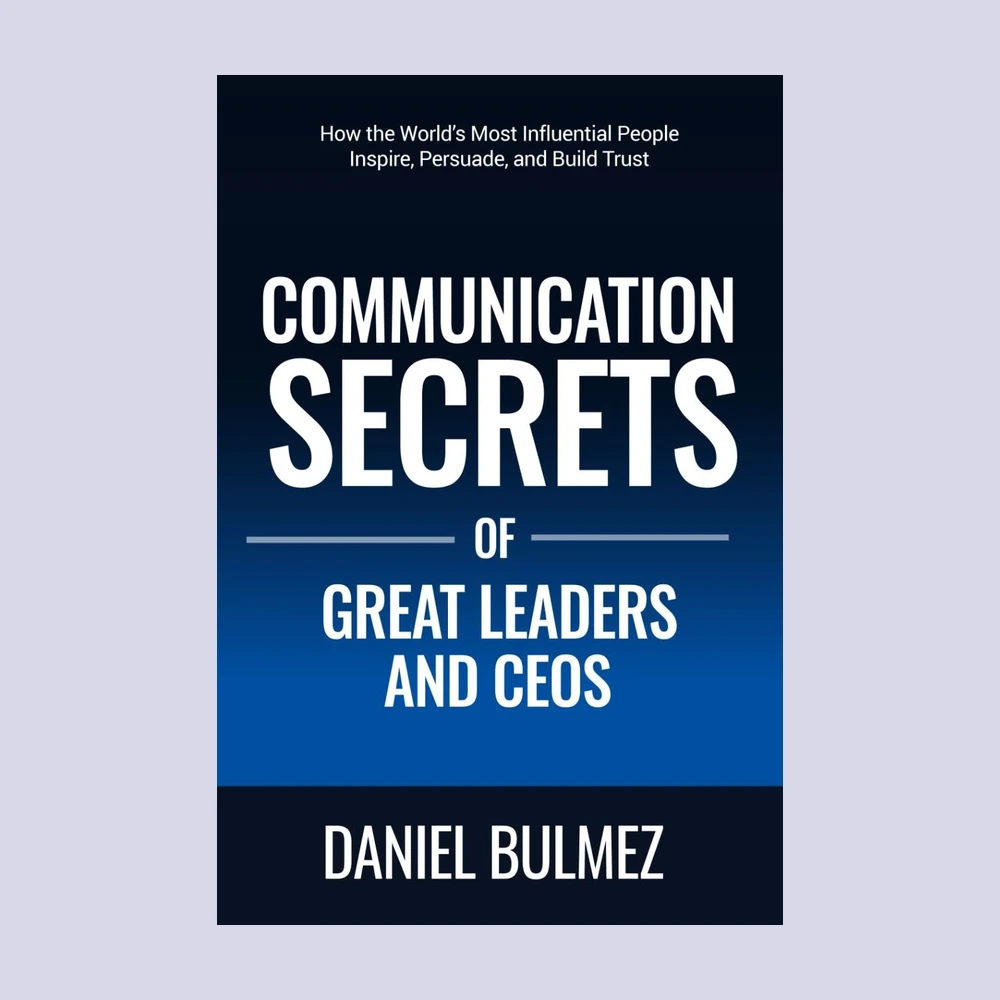
Communication Secrets of Great Leaders and CEOs breaks down how leaders actually run a room when the stakes are real — the same structural instincts covered here, applied to the pitches, board updates, and high-pressure meetings where being remembered is the whole game. If you want the deeper playbook, Communication Secrets of Great Leaders and CEOs is where it’s laid out in full — alongside the public speaking fundamentals this article builds on.
Daniel Bulmez is the author of Communication Secrets of Great Leaders and CEOs, available on Amazon.