The 4 Communication Styles at Work (and How to Actually Talk to Each One)
The 4 communication styles in the workplace — driver, expressive, amiable, analytical — and exactly how to adjust your message so each one actually hears you.
 Daniel
September 29, 2026
5 min read
Daniel
September 29, 2026
5 min read

You send a careful, three-paragraph email laying out the whole case. Your colleague replies with one word: “Fine.” Ten minutes later you’re wondering if you’ve offended them.
You haven’t. They just read a three-paragraph email the way you’d read a terms-of-service page. Meanwhile, the teammate who loved your message is the one who wants to jump on a call and talk it through, which is the last thing the first person wants.
Same information, different wiring. That gap, not bad intentions, is behind most of the friction people call “personality clashes” at work. Here are the four communication styles you’ll meet most often in the workplace, how to spot each one, and how to adjust your message so it lands.
First, a Fair Warning About the Model
The four-style framework most people use goes back to psychologists David Merrill and Roger Reid, whose 1981 book Personal Styles and Effective Performance sorted people by two things: how assertive they are, and how openly they show emotion. Modern tools like DISC use close cousins of the same idea.
It’s a useful map, not a scientific law. Researchers have debated how well style labels predict behavior, and nobody is a pure type. People shift with stress, with their boss, and with whether it’s Monday morning. Treat these styles as a way to guess better, then confirm by watching what actually works with the person in front of you.
1. The Driver: Fast, Direct, Result-Focused
How to spot them: Short emails. Gets to the point in the first sentence. Interrupts when they’ve heard enough. Talks about outcomes, deadlines and decisions.
What goes wrong: Drivers can come across as blunt or impatient, and people often over-explain to them, which is the fastest way to lose them.
How to talk to them: Lead with the conclusion, then the reason. “I recommend we move the launch to the 15th. Two reasons.” Offer options, not open-ended problems. Skip the warm-up, and don’t take the bluntness personally. It’s efficiency, not hostility.
2. The Expressive: Energetic, Big-Picture, People-Oriented
How to spot them: Animated, talks in stories, loves brainstorming, gets excited about ideas before the details exist. Often the one filling the silence in a meeting.
What goes wrong: Details slip. They can commit enthusiastically in the room and forget the follow-up, and they can feel deflated by a wall of caveats.
How to talk to them: Give them airtime first, then steer. Connect your point to a vision or the people it affects. Put action items in writing afterward, gently, so the enthusiasm turns into a plan. A quick call beats a long email.
3. The Amiable: Steady, Supportive, Harmony-Seeking
How to spot them: Listens more than they speak. Agrees easily in meetings, then quietly disagrees afterward. Cares how a decision affects the team.
What goes wrong: Their “yes” isn’t always a yes. Amiable colleagues often avoid open conflict, so you can leave a meeting thinking you have buy-in and discover otherwise a week later.
How to talk to them: Slow down and ask for their view directly, ideally one-on-one where disagreeing feels safe. “What concerns would you have about this?” works far better than “Any objections?” Acknowledge the relationship before the task, and give them time to think rather than demanding an instant answer.
4. The Analytical: Precise, Careful, Evidence-Driven
How to spot them: Asks for data, sources and the exact process. Prefers email to spontaneous chat. Reserved in emotion, thorough in questions.
What goes wrong: They can look cold or slow, and they can stall a decision while waiting for information that will never be complete.
How to talk to them: Bring the facts, in writing, before the meeting. Be exact about numbers and dates, since vague claims erode their trust quickly. Give them time to process, and don’t read their silence as disapproval. They’re usually just checking your logic.
How to Figure Out Your Own Style (Because It’s Half the Problem)
Most communication friction happens because both people default to their own style and expect the other to adapt. A driver and an amiable colleague can run a whole project with one person thinking the other is rude and the other thinking the first is spineless.
If you’re not sure which one you lean toward, our Communication Style Quiz is a quick way to get a starting point. And if your own pattern is avoiding conflict or steamrolling it, assertive communication is the skill that sits underneath every style.
The Real Skill Isn’t Diagnosing. It’s Adjusting.
You don’t need to be a mind reader. You need a habit: before an important message or meeting, spend ten seconds asking, “How does this person prefer to receive information: short or detailed, fast or slow, facts or feelings?” Then change one thing about how you deliver it. Same content, different packaging.
Practical takeaway: Pick one colleague you find hard to work with. Guess their style, change just one habit for a week (shorter emails, an earlier agenda, a private check-in), and notice what shifts. You’re running an experiment, not passing a verdict.
Where to Go From Here
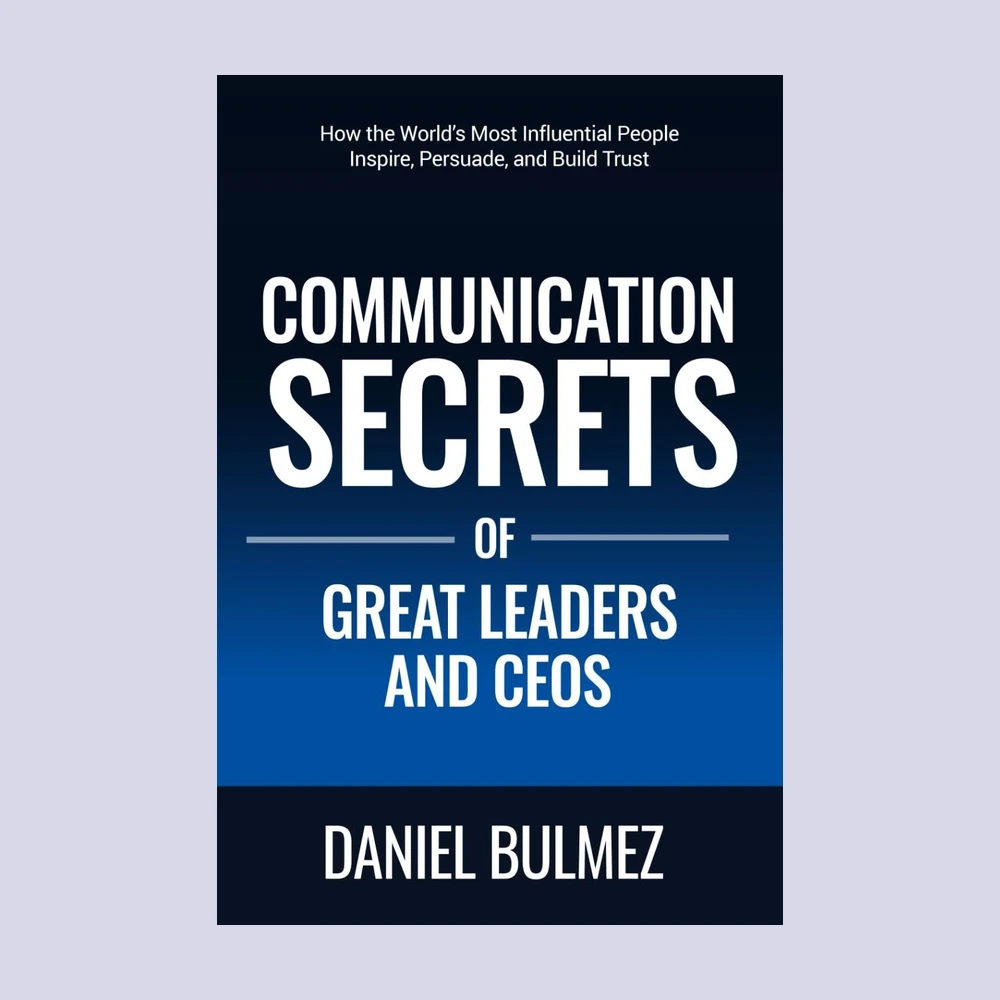
This flexibility is the thread running through Communication Secrets of Great Leaders and CEOs: the leaders who get the most out of their teams aren’t the ones with a single “right” way of speaking. They read the person across the table and adjust how they deliver the same message, without changing what they mean. If you want that read-and-adjust skill laid out with real examples of how great communicators do it, the book is a good next step.
The four styles won’t explain everyone. But once you stop taking a one-word reply personally and start asking what that person needs in order to hear you, most workplace friction gets a lot easier to fix.
Daniel Bulmez is the author of Communication Secrets of Great Leaders and CEOs, available on Amazon.