The Best Science Books for Kids Who Ask “But Why?”
Nine of the best science books for kids who keep asking why: story series, comics, picture-book science and deep-dive references for readers of every age.
 Daniel
October 15, 2026
4 min read
Daniel
October 15, 2026
4 min read
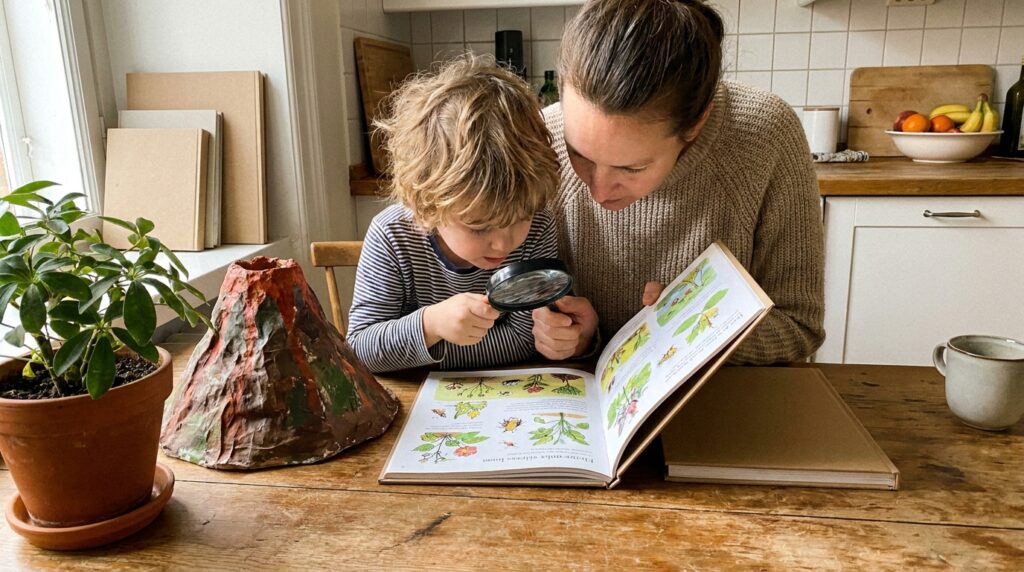
Ask a curious kid a science question and you rarely get one. Why is the sky blue? Why does ice float? Why do volcanoes explode? The right science book doesn’t just hand over the answer — it makes the next “but why?” more fun to chase.
Here are 9 of the best science books for kids who keep asking, covering story-driven series, comics, picture-book science, and a couple of picks for kids who want to know how things really work.
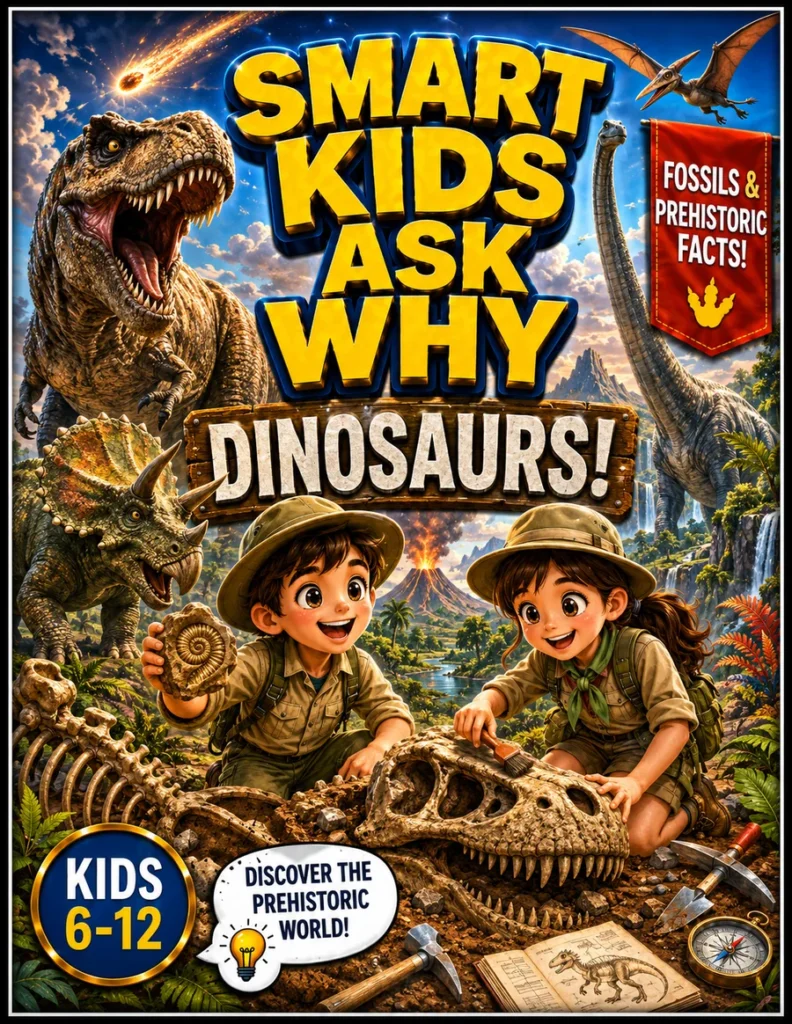
1. Smart Kids Ask Why: Dinosaurs!
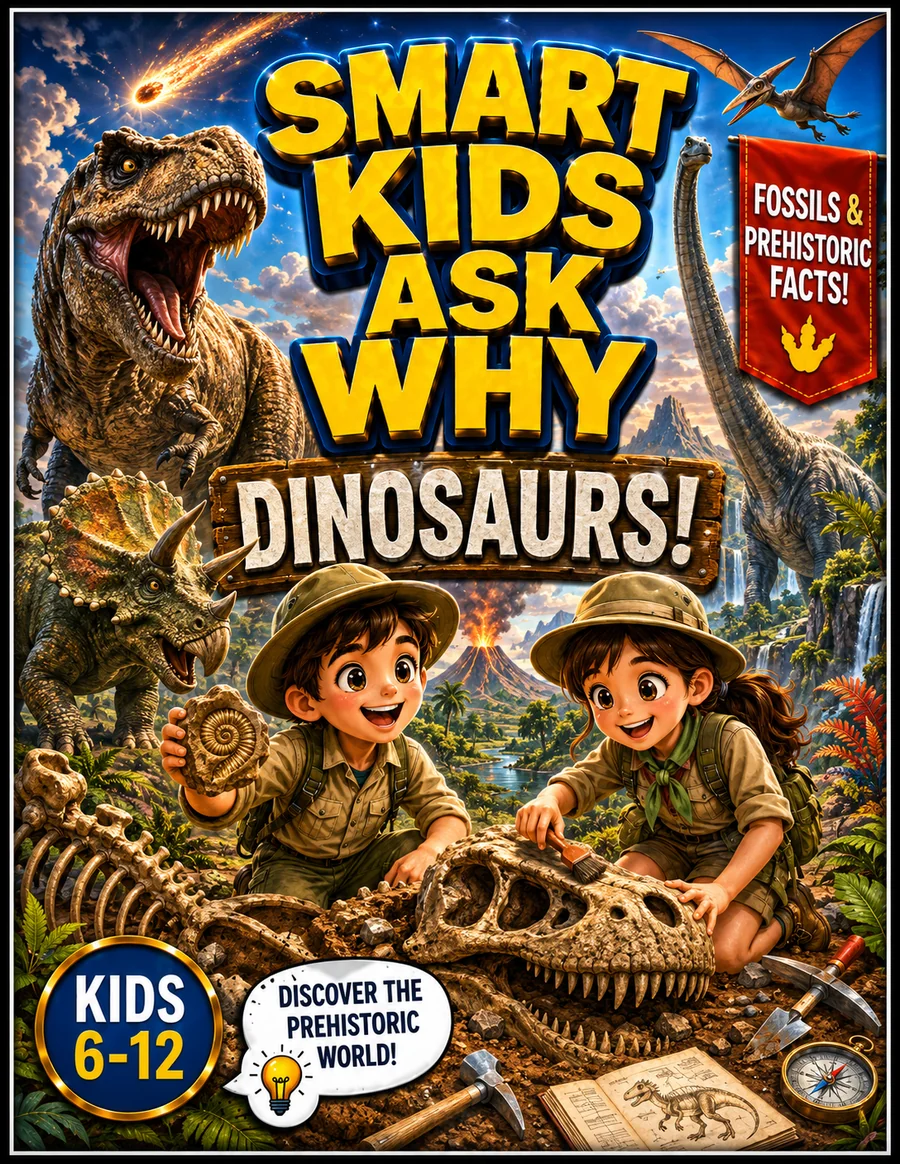
Paleontology is science, and for a lot of kids it’s the door into everything else. Across 112 full-color pages, every page starts with a “why” question, and about 20 famous dinosaurs, including T. rex and Giganotosaurus, get their own profile-card spreads. It’s built for the kid who wants the reason behind the fact, not just the fact. Ages 6 and up.
2. Why? The Best Ever Question and Answer Book About Nature, Science and the World Around You
Catherine Ripley’s book is organized around the exact kind of questions young kids ask, with short, simple answers and cheerful illustrations. It’s a natural fit for younger kids who are just starting to ask “why” out loud, and works well as a bedtime read-aloud.
3. The Magic School Bus Series
Joanna Cole and Bruce Degen’s long-running series follows Ms. Frizzle’s class on field trips into places like the human body and the solar system. The story keeps kids turning pages while the sidebars and class reports carry the facts. A strong pick for early elementary readers who like a story with their science.
4. Ada Twist, Scientist
Andrea Beaty’s picture book is about a girl whose endless questions drive her to run experiments. It’s less a fact book and more a celebration of being the kid who asks why. Good for younger children, and a nice companion to a more fact-packed book.
5. DK Eyewitness Books
These are the classic photo-rich reference books, with each title covering a single topic in depth. They’re closer to museum exhibits in book form than to storybooks, which makes them a good fit for older kids who want detail and plenty to look at.
6. Science Comics
This graphic-novel series from First Second tackles one science topic per volume, from dinosaurs to volcanoes, in comic-book form. For kids who’ll happily read a comic for hours but resist a textbook, it’s an easy way in. The topic list is broad, so it’s worth browsing for your child’s current obsession.
7. The Way Things Work Now by David Macaulay
An illustrated tour of how machines and everyday technology work, famous for its detailed drawings. It’s a lot of book, so it suits older, more mechanically minded kids, often around age 8 and up, and is one to dip into rather than read straight through.
8. Let’s-Read-and-Find-Out Science
A long-running picture-book series that explains science concepts in plain, clear language. Topics range across nature, weather, the human body and more. It’s aimed at younger readers and is a solid choice for a preschooler or early elementary kid who wants real answers in a picture-book format.
9. Smart Kids Ask Why: The History of the World
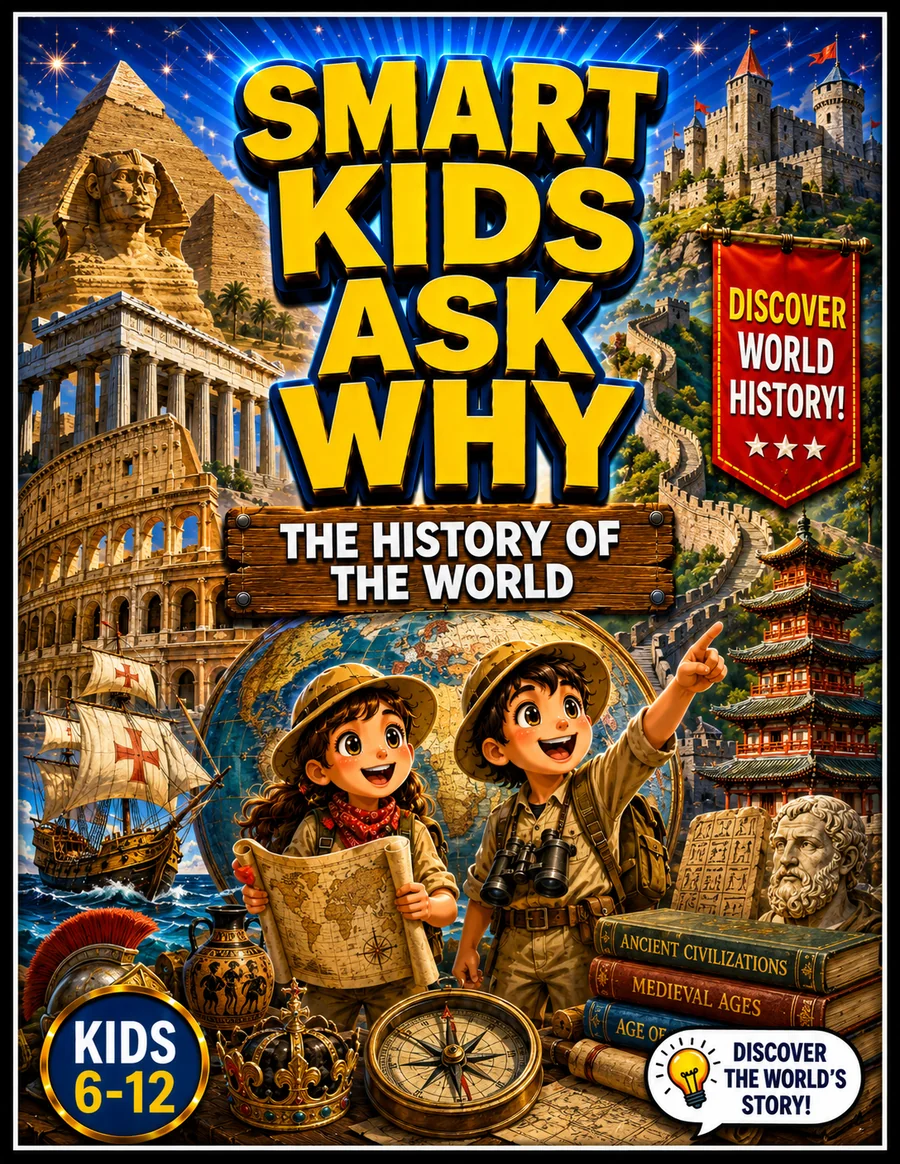
To be upfront: this isn’t a science book. It’s here for the kid whose questions have started to stretch beyond how things work to how the world got this way. Across 101 full-color pages and 17 chapters, a recurring kid explorer travels from ice-age campfires to the Moon landing, with one big moment per page: a full-page illustration, four bite-sized facts, and a fun fact. A good companion once the science shelf is full. Ages 7 and up.
How to Pick
- Just starting to ask “why”: Why? The Best Ever Question and Answer Book, or Let’s-Read-and-Find-Out Science.
- Loves a story: The Magic School Bus and Ada Twist, Scientist.
- Prefers comics: Science Comics.
- Wants depth and detail: DK Eyewitness Books and The Way Things Work Now.
- Asks “why” after every fact: Smart Kids Ask Why: Dinosaurs!, then The History of the World for the wider story.
The best science book is the one that sends your kid off to ask the next question. Start with whatever they’re wondering about this week, and let the “but why?” lead you to the next book.
Daniel Bulmez is the author of the Smart Kids Ask Why book series, available on this store and on Amazon.