The Best Animal Facts Books for Kids
The best animal facts books for kids: big encyclopedias, funny matchups, picture-book science, and picks for curious kids who always ask why. Ages 4-10.
 Daniel
October 8, 2026
4 min read
Daniel
October 8, 2026
4 min read
Some kids can tell you which animal is the fastest, the heaviest, and the most dangerous before they can tie their shoes. If that’s your kid, the right animal book doesn’t just show them pictures — it feeds the “but why does it do that?” that comes right after.
Here are 9 of the best animal facts books for kids, covering big photo encyclopedias, funny matchups, beautiful picture-book science, and a couple of picks for kids who want the reasons behind the facts.
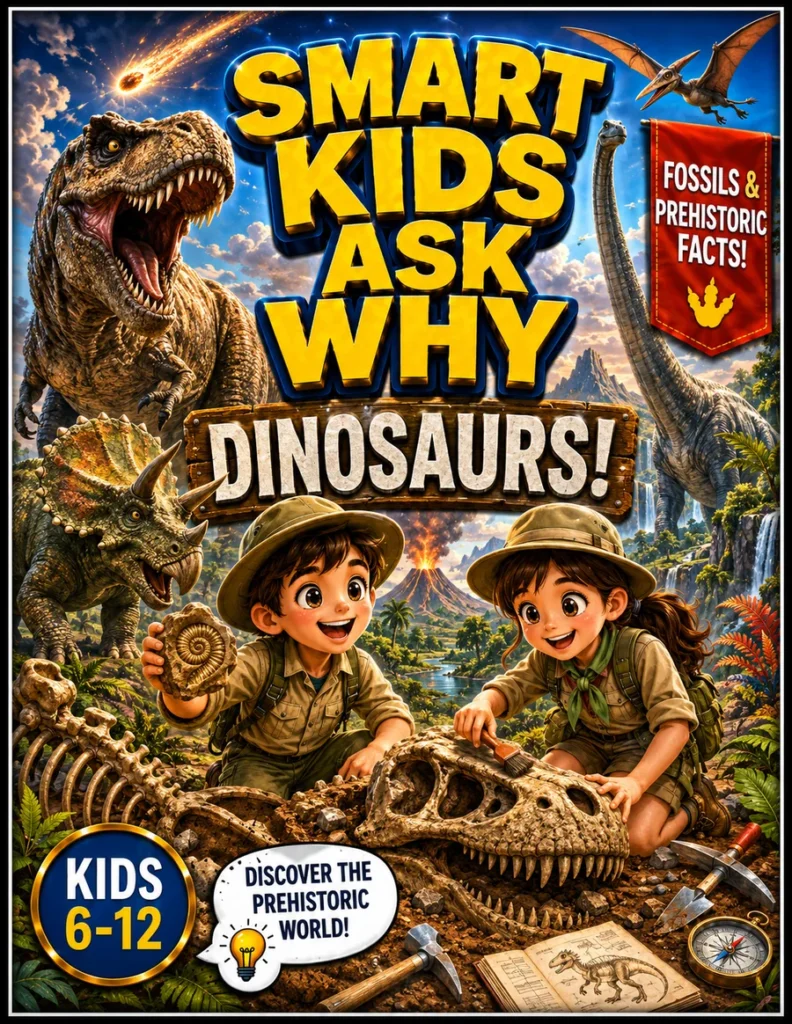
1. Smart Kids Ask Why: Dinosaurs!
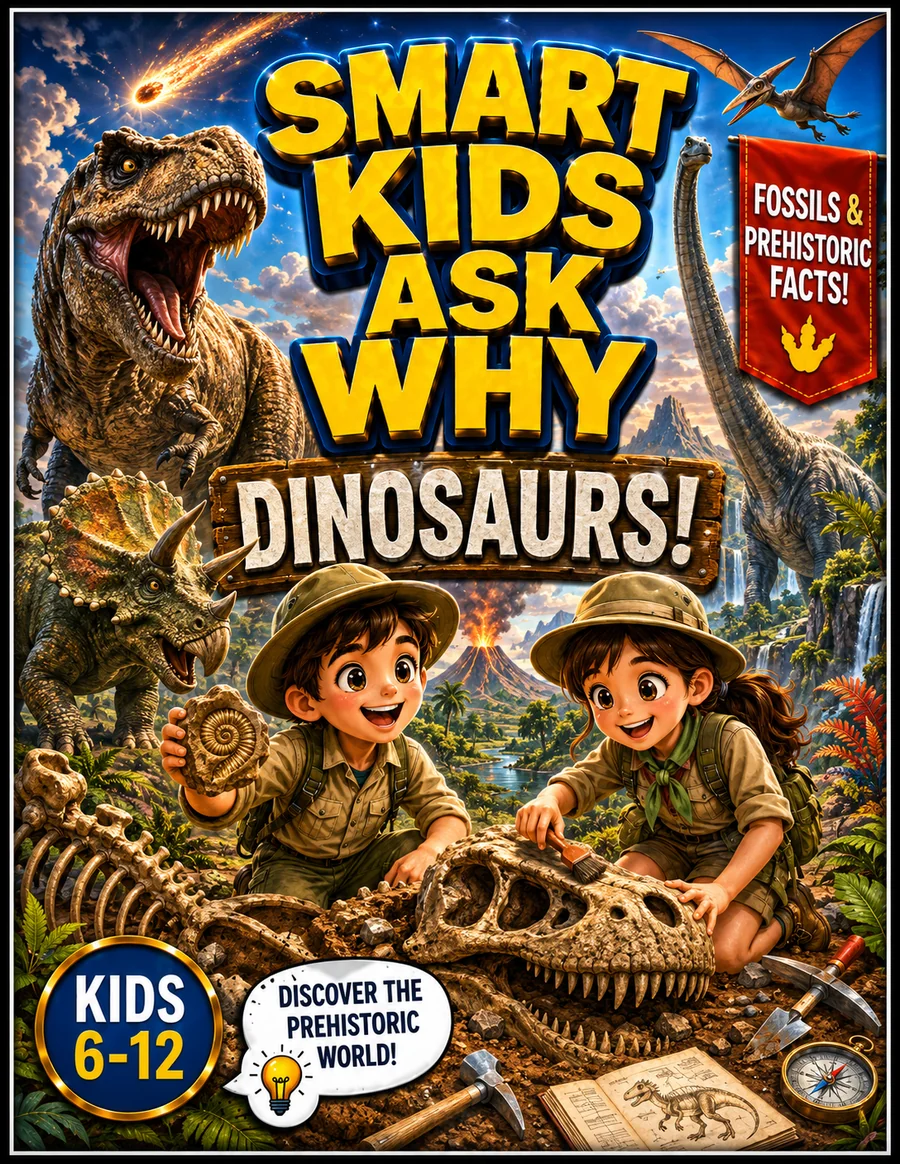
Dinosaurs are animals too, and for a lot of kids they’re the animals. Across 112 full-color pages, every page starts with a “why” question, and about 20 famous dinosaurs — including T. rex and Giganotosaurus — get their own profile-card spreads. It’s the pick for the kid who wants the reason behind the fact, not just the fact. Ages 6 and up.
2. National Geographic Kids Animal Encyclopedia
The go-to big reference book. It covers animals from every part of the world, with large photographs, maps, and short entries that are easy to dip in and out of. It’s less of a read-cover-to-cover book and more of a “look it up when the question comes” book, which suits kids who ask a new animal question every day.
3. Who Would Win? by Jerry Pallotta
A long-running series that pits two animals against each other — facts about each, side-by-side comparisons, and a final showdown. The matchups are imagined, but the animal facts in them are real, and kids who love debating “which would win” often end up learning more than they meant to. A good one for reluctant readers.
4. Steve Jenkins: Actual Size and What Do You Do With a Tail Like This?
Steve Jenkins’ cut-paper collage books are some of the most beautiful animal books for kids. Actual Size shows animals at their real size, which is a surprisingly good trick for making numbers feel real, and What Do You Do With a Tail Like This? (with Robin Page) looks at the odd body parts animals use to survive. Best for younger kids, though older ones tend to hang around for the pictures.
5. The Big Book of Beasts by Yuval Zommer
A richly illustrated book that works as a browsing book: big pictures and bite-sized facts about animals from around the world. It’s a gentler, more picture-driven alternative to a dense encyclopedia, and a strong read-aloud for kids who are still building up to long text.
6. Weird But True! (National Geographic Kids)
This series of rapid-fire facts covers everything from animals to space, with animal facts mixed in alongside the rest. It’s built for kids who love saying “did you know…?” at dinner, with short facts and photos on every page. Perfect for pick-up-and-put-down reading.
7. Smart Kids Ask Why: The History of the World
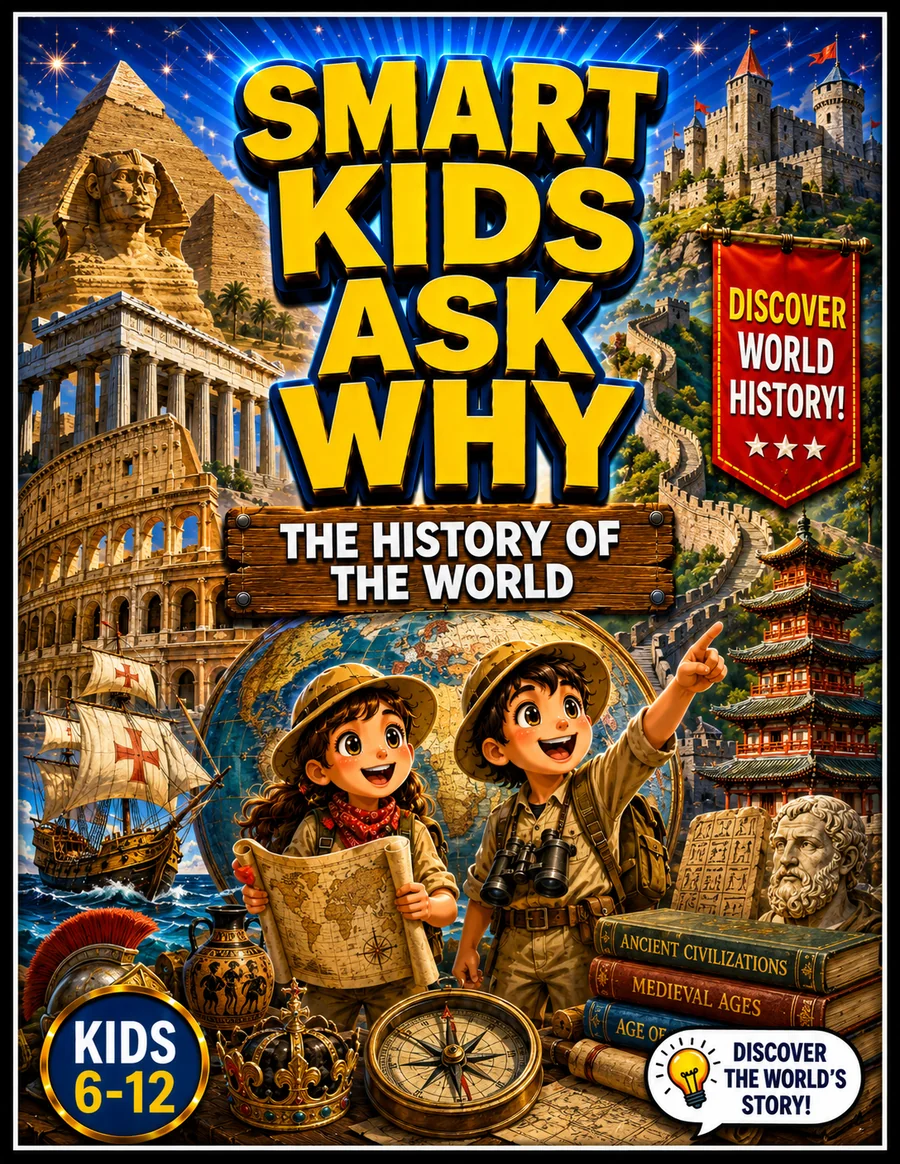
To be upfront: this isn’t an animal book. It’s here for the animal-obsessed kid who is ready to see the bigger picture of the world they live in. Across 101 full-color pages and 17 chapters, a recurring kid explorer travels from ice-age campfires to the Moon landing, with one big moment per page: a full-page illustration, four bite-sized facts, and a fun fact. A good companion once the animal shelf is full. Ages 7 and up.
8. Magic Tree House Fact Trackers
These nonfiction companions to the Magic Tree House adventure stories dig into real-world topics, including rain forests and sharks. They’re a smart bridge for kids who already love the fiction series, with a longer, more text-based look at the real facts behind each topic. Good for ages 7 to 10 or so.
9. Let’s-Read-and-Find-Out Science
A long-running picture-book series that explains science concepts, many of them about animals and nature, in simple, clear language. It’s aimed at younger readers and is a solid choice for a preschooler or early elementary kid who wants real answers in a picture-book format.
How to Pick
- Wants to look everything up: National Geographic Kids Animal Encyclopedia.
- Loves “which would win” arguments: Who Would Win? and Weird But True!
- Younger, loves beautiful pictures: Steve Jenkins, The Big Book of Beasts, and Let’s-Read-and-Find-Out.
- Asks “why” after every fact: Smart Kids Ask Why: Dinosaurs!, then The History of the World for the wider story.
- Loves chapter-book series: Magic Tree House Fact Trackers.
The best animal book is the one that gets opened a hundred times. Start with whatever your kid’s current obsession is, and let the questions lead you to the next one.
Daniel Bulmez is the author of the Smart Kids Ask Why book series, available on this store and on Amazon.