How to Write a Follow-Up Email That Gets a Reply
Sent an email and got silence? How to write a follow-up email that gets a reply: when to send it, what to say, and 5 templates for every situation.
 Daniel
October 8, 2026
7 min read
Daniel
October 8, 2026
7 min read

You sent a good email. It was clear, polite and reasonable. Then nothing came back, and now you’re stuck between two bad options: send a nudge and risk looking pushy, or say nothing and let the opportunity die quietly.
Almost always, the nudge is the right call. Silence rarely means “no.” It usually means “buried,” “forgot,” or “not urgent enough yet.” A follow-up email is how you move from one of those to a reply, and the difference between one that works and one that gets ignored again is mostly a handful of small choices. Here they are.
Start by Assuming They’re Busy, Not Rude
Your tone is set before you write a word, by the story you tell yourself about the silence. If the story is “they’re ignoring me,” your email will sound wounded or passive-aggressive: “Just checking again since I haven’t heard back…” Readers feel that, and it makes them less likely to answer, not more.
The accurate story is almost always duller. Your message arrived between forty others, got opened on a phone, and slid down the inbox. So write as if you’re helping a busy person do something they already meant to do. That one shift removes most of the awkwardness.
Wait the Right Amount of Time
There is no universal rule, and anyone who gives you one number for every situation is guessing. A reasonable starting point:
- Routine request to a colleague: two to three working days.
- Sales, networking or outreach to someone who doesn’t know you: about a week.
- After a job interview: if they gave you a decision date, wait until the day after it passes. If they didn’t, a week is fair.
- Urgent matter with a deadline: follow up before the deadline, and say so in the email.
Follow up too fast and you look impatient. Too slow and the thread goes cold, and you have to re-explain everything. When in doubt, lean slightly early for internal requests and slightly late for cold ones.
Reply on the Original Thread
Don’t start a fresh email. Hit reply on your original message, so the person sees the entire history right below your nudge. That does two things: it saves them from searching for context, and it makes your follow-up take about ten seconds to act on.
Keep the original subject line, too. If you do change it, make it more specific, not more dramatic. “Quick question” and “Following up” both tell the reader nothing. “Draft budget: need your sign-off by Thursday” tells them exactly what you want.
Lead With the Ask, Not the Apology
Compare these two openings:
> “Sorry to bother you again, I know you’re really busy, but I just wanted to see whether you had a chance to look at my earlier email.”
> “Can you confirm the Thursday slot for the client review? I need to lock the room by end of day tomorrow.”
The first makes the reader do the work of figuring out what you want. The second is shorter, clearer, and easier to answer. Apologizing for following up also hands them a reason to feel guilty, and guilty people tend to put things off, not do them.
Make the request a single, specific action. If your original email asked three questions, your follow-up can pick the most important one. Replying “yes” or “Thursday works” should be enough to close the loop.
Add Something New
A follow-up that only repeats the first email gives the reader no reason to act now. Where you can, add one useful thing:
- A deadline or a reason the timing matters.
- A shorter version of the ask, or a simpler option (“I can also do 15 minutes instead of 30”).
- A relevant detail you left out the first time, such as an attachment, a link or a number.
- A small piece of value, like an article or introduction they’d find useful.
This turns “me again” into “here’s something to make this easier,” which is a far better thing to receive.
Five Follow-Up Emails You Can Adapt
Keep them short. Four sentences is plenty. Change the details, not the structure.
1. The gentle nudge (internal or routine)
> Hi Sam, resurfacing this in case it got buried. Could you send the Q3 numbers by Friday? I need them for Monday’s review. Happy to take a rough version if that’s quicker. Thanks!
2. After no response to a request for a meeting
> Hi Priya, I wanted to bring this back to the top of your inbox. I’d still love 20 minutes to talk about the vendor change. Would Tuesday or Wednesday afternoon suit? If it’s easier, I can work around your calendar.
3. After a job interview
> Hi Marcus, thank you again for talking with me on Tuesday. I enjoyed hearing about the plan for the new regional team, and it made me more interested in the role. I wanted to check whether there’s an update on the timeline. Happy to provide anything else you need.
4. After meeting someone at an event
> Hi Elena, it was great meeting you at the logistics panel. You mentioned the problem with supplier delays, and I thought this article might be useful. If you’d like to continue that conversation over a call, I’m free next week.
5. The last attempt
> Hi Tom, I haven’t heard back, so I’ll assume the timing isn’t right and close this out on my end. If that changes, I’m glad to pick it up whenever suits you. All the best.
That last one is underrated. It’s polite, it removes pressure, and it often gets a reply precisely because it says you’re about to stop asking.
Know When to Stop
Two follow-ups after the original is a sensible ceiling for most situations, spaced out. Three can work for something important. Beyond that you’re no longer persistent, you’re a problem, and you risk damaging the relationship you were trying to build.
If the matter is truly urgent, change the channel: a short phone call, a message on a platform they actually use, or a word with someone who sits near them. An email that has been ignored three times will not be rescued by a fourth. And if you’ve never had a reply from someone, consider whether the problem is the request, not the delivery.
Check Before You Hit Send
Read your follow-up and ask four questions:
- Can the reader tell what I want in the first sentence?
- Is there exactly one clear action they can take?
- Is the tone warm without being apologetic or irritated?
- Is it short enough to read on a phone in ten seconds?
If the answer to all four is yes, send it.
The Skill Underneath the Template
Templates help, but what makes a follow-up work is the same thing that makes any good message work: clarity about what you want, respect for the other person’s time, and calm persistence without pressure. That connects to everything in how to write a professional email and the unwritten rules in email etiquette at work. If you’re chasing a decision about pay or a role, how to ask for a raise shows how to make the request itself stronger, and if you’re following up with someone you’ve just met, how to network covers the conversation that comes before the email. Being able to ask directly and stay respectful while you do it is the heart of assertiveness at work.
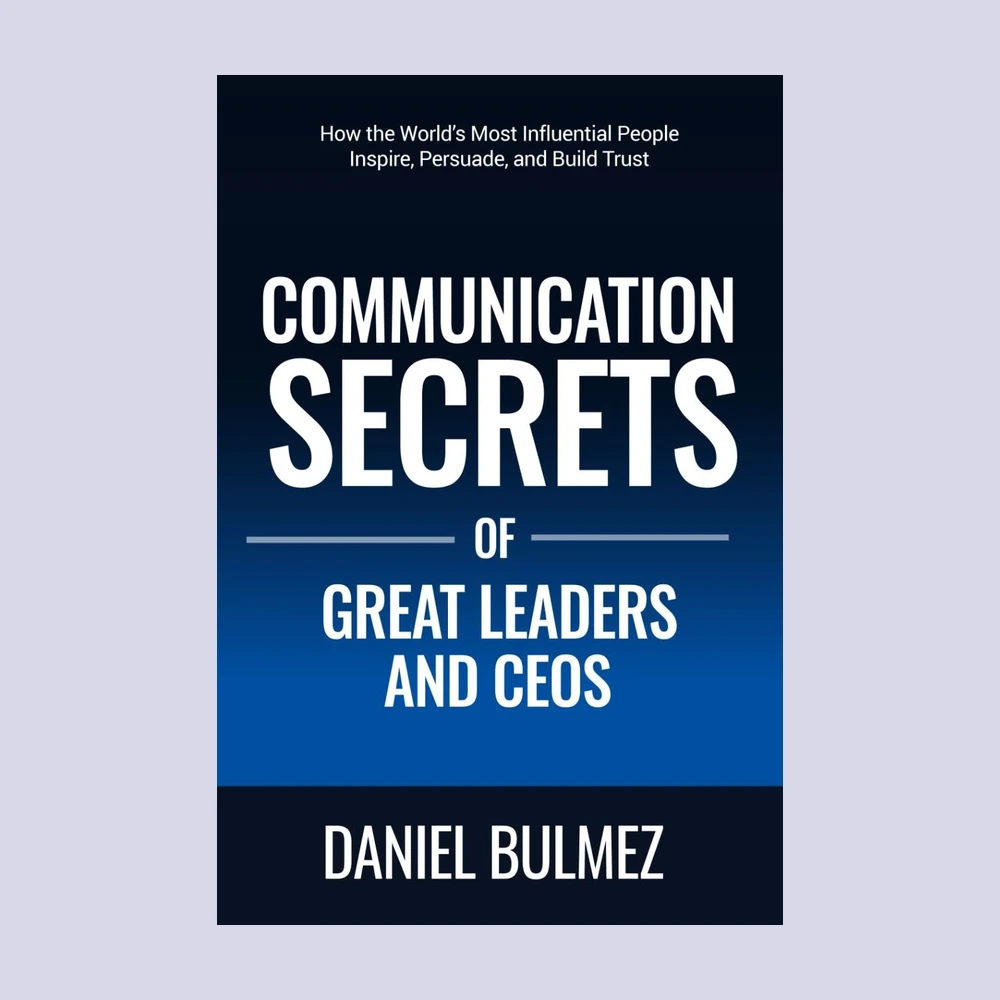
Leaders who get things done tend to follow up without drama. They state the ask, make it easy to answer, and keep going until the matter is closed, one way or the other. Communication Secrets of Great Leaders and CEOs looks at how great leaders communicate: clearly, briefly, and in a way that makes people want to respond. If you want the deeper playbook, Communication Secrets of Great Leaders and CEOs breaks it down in full.
Daniel Bulmez is the author of Communication Secrets of Great Leaders and CEOs, available on Amazon.