Persuasion Techniques: 10 Ethical Ways to Get a Yes (Used by the Best Communicators)
10 ethical persuasion techniques great communicators use to earn a genuine yes — without pressure, manipulation, or anyone feeling handled.
 Daniel
July 20, 2026
4 min read
20 views
Daniel
July 20, 2026
4 min read
20 views

You pitch an idea in a meeting and get polite nods, then nothing changes. Somewhere else in the building, someone else pitches a weaker idea and walks out with buy-in, budget, and a green light. The difference usually isn’t the idea. It’s persuasion — and most people never learned it on purpose.
Persuasion has a bad reputation because it gets confused with manipulation. Manipulation gets someone to say yes while working against their interests. Persuasion helps someone see something they’d genuinely want, if they had the full picture. Great communicators — the ones who move rooms without raising their voice — use a specific, repeatable set of techniques. None of them require charm you don’t have or a personality transplant. Here are ten that actually work.
1. Lead With Their Interest, Not Yours
The fastest way to lose a room is to open with what you want. Skilled persuaders open with what the other person wants — and connect their ask to it. “This will free up two hours of your week” lands harder than “I need you to approve this.” Same request, opposite entry point.
2. Ask Questions That Let Them Persuade Themselves
People trust conclusions they reach on their own far more than conclusions handed to them. Instead of stating your case, ask the question that leads there: “What would it mean for the team if this shipped a week late?” Let the answer do the work you were tempted to do yourself.
3. Use Specificity, Not Superlatives
“This is a great opportunity” persuades no one — it’s vague enough to be meaningless. “This cuts onboarding time from three weeks to four days” persuades because it’s concrete and falsifiable. Specific numbers and details signal that you’ve actually done the thinking, which builds the credibility persuasion depends on.
4. Borrow Social Proof Honestly
People look to others for a signal of what’s reasonable, especially under uncertainty. “Two other teams already made this switch and haven’t looked back” does real work — but only if it’s true. Borrowed credibility is one of the fastest ways to move a hesitant yes to an easy one, and one of the fastest ways to torch your reputation if you fabricate it.
5. Make the Ask Easy to Say Yes To
Big, vague requests trigger resistance because they’re hard to evaluate. Break the ask into the smallest first step: not “commit to this project” but “give me fifteen minutes to walk you through it.” Small commitments create momentum toward bigger ones — and they lower the perceived risk of engaging at all.
6. Address the Objection Before They Raise It
Waiting for pushback puts you on defense. Naming the objection yourself puts you back in control of the conversation: “You’re probably wondering what this costs the team short-term — here’s the honest answer.” It signals you’ve thought it through, and it takes the wind out of the resistance before it fully forms.
7. Use Reciprocity Without Keeping Score
When you give something useful first — information, help, credit, time — people feel a natural pull to return it. This only works as genuine generosity, not a transaction with an invisible invoice. The moment reciprocity feels calculated, it stops working and starts reading as manipulation.
8. Anchor With the Real Standard, Not an Inflated One
Skilled negotiators and persuaders set the frame early by naming a real, defensible reference point — “most projects like this run twelve weeks” — before making their ask. This isn’t the same as low-balling or inflating a number to manipulate perception. An honest anchor orients the other person accurately; a dishonest one is a trick that erodes trust the moment it’s discovered.
9. Match Their Communication Style, Not Your Default One
A detail-oriented skeptic and a big-picture optimist need to hear the same idea framed differently. Persuaders who insist on delivering every message in their own natural style leave a lot of yeses on the table. Read who’s in front of you — data for the skeptic, vision for the optimist — and adjust the frame, not the substance.
10. Close With a Clear, Low-Friction Next Step
Persuasion that ends in ambiguity dies in ambiguity. “Let me know what you think” invites nothing. “Can you approve this by Thursday so we can start Monday?” invites a decision. The best communicators always end with a specific, easy action — because a yes without a next step is just a nice conversation.
Why Ethical Persuasion Outperforms Pressure Every Time
Pressure tactics can produce a short-term yes, but they carry a cost that shows up later — resentment, second-guessing, or a relationship that quietly erodes. Ethical persuasion is slower to build and far more durable, because the other person actually believes what they agreed to. That’s the difference between a yes you have to defend and a yes that defends itself.
These ten techniques are really pieces of one bigger skill: how to influence people without pressure, manipulation, or authority you don’t have.
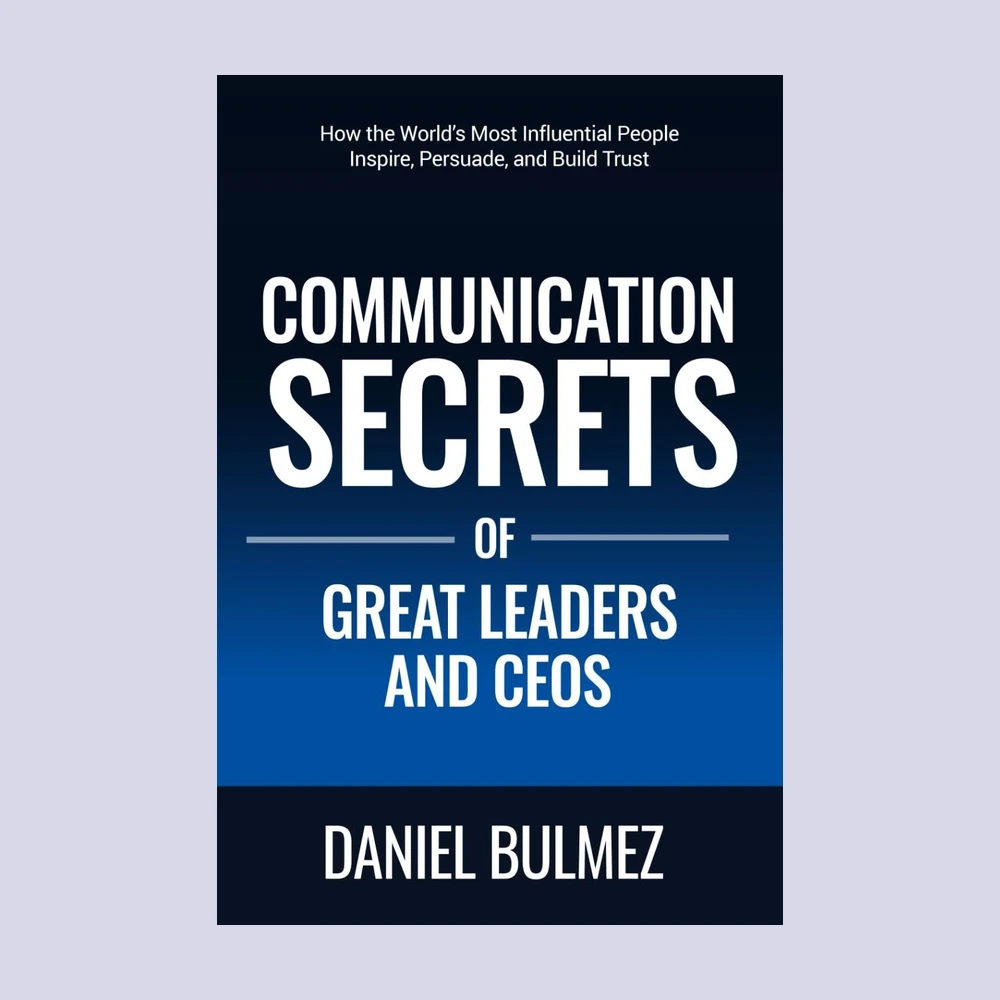
Communication Secrets of Great Leaders and CEOs shows persuasion the way great leaders actually use it — in the room, in the moment, without anyone feeling handled. If you want to see how top communicators build the kind of influence that holds up under pressure, Communication Secrets of Great Leaders and CEOs breaks it down technique by technique.
Daniel Bulmez is the author of Communication Secrets of Great Leaders and CEOs, available on Amazon.