Seek First to Understand, Then to Be Understood — Stephen Covey
Stephen Covey's Habit 5 is the most quoted, least practiced rule in communication. Here is why it works and how to actually build it.
 Daniel
July 25, 2026
5 min read
13 views
Daniel
July 25, 2026
5 min read
13 views

“Seek first to understand, then to be understood.”
Stephen Covey placed that line as Habit 5 of The 7 Habits of Highly Effective People, and decades later it’s still the single most quoted — and least practiced — rule in communication. Everyone nods along to it. Almost nobody does it. That gap is worth understanding, because it’s costing you more than you think: deals, relationships, promotions, and the quiet respect of the people you lead.
Why the Habit Is So Hard to Keep
Covey didn’t invent the idea that listening matters. What he identified was why people fail at it even when they know better: most of us listen with the intent to reply, not the intent to understand. While the other person is still talking, we’re already building our rebuttal, our advice, our next point. We’re not absent — we’re just present for the wrong job.
This isn’t a character flaw. It’s efficient, in the short term. Formulating your response while someone else talks saves time. The problem is it saves the wrong resource. You gain half a second of prep time and lose the actual content of what the other person needed you to hear — the concern under the complaint, the fear under the objection, the real ask buried inside the vague request.
Covey called this “autobiographical listening”: filtering everything the other person says through your own experience, your own values, your own urge to solve. You end up answering the question you assumed they asked, not the one they actually asked. And the other person feels it immediately, even if they can’t name it. They stop talking. They stop trusting the conversation to go anywhere. And you never even learn what you missed.
Where This Shows Up in Real Weeks
In leadership. An employee raises a concern about a project timeline. A manager listening to reply hears “pushback” and responds with justification. A manager listening to understand hears that the employee is worried about being blamed for a delay they didn’t cause — and that’s a five-minute fix instead of a festering resentment.
In negotiation. The other side states a position. Most negotiators immediately counter the position. Skilled ones ask what’s driving it — because positions are negotiable, but the interest underneath usually has more room to work with than either side assumed.
In conflict at home. A partner says “you never help around here.” Heard literally, it’s an accusation to defend against. Understood first, it’s often a proxy for “I feel like I’m carrying this alone” — a completely different conversation, and the only one that actually resolves anything.
In feedback conversations. Someone says “I’m not sure this is working.” The reply-first instinct is to defend the plan. The understand-first move is to ask what “not working” means to them specifically — because half the time it’s not the plan, it’s a fear they haven’t named yet.
In every one of these, the content of the words is only the surface. Covey’s insight is that real communication problems are almost never about vocabulary — they’re about which layer you’re listening at.
The Habit, Not the Slogan
Covey was explicit that this isn’t a soft skill you deploy occasionally when it’s convenient — it’s a discipline you build the way you build any other habit, through repetition under pressure, especially when you’d rather be right than accurate. A few ways to actually build it:
- Delay your response by one full sentence. After the other person finishes, resist replying until you’ve silently repeated back what you think they meant. It sounds slow. It isn’t — it’s the fastest way to stop having the same argument twice.
- Ask before you advise. “What would be most useful right now — do you want me to help solve this, or do you want to think out loud?” This single question eliminates half of all miscommunication in working relationships.
- Name the emotion, not just the content. “It sounds like the timeline is the part that’s stressing you out” does more work than any solution you could offer in that moment.
- Get the paraphrase confirmed before you respond. “So what I’m hearing is X — is that right?” If you’re wrong, you just saved yourself from solving a problem that doesn’t exist. If you’re right, the other person now knows you actually heard them — and that changes what they’re willing to say next.
None of this is complicated. It’s also almost never done, because it requires giving up the small ego payoff of being quick, clever, or right first. Covey’s habit costs you a few seconds of restraint per conversation. What it buys back is trust — the kind that compounds across every relationship you have, at work and everywhere else.
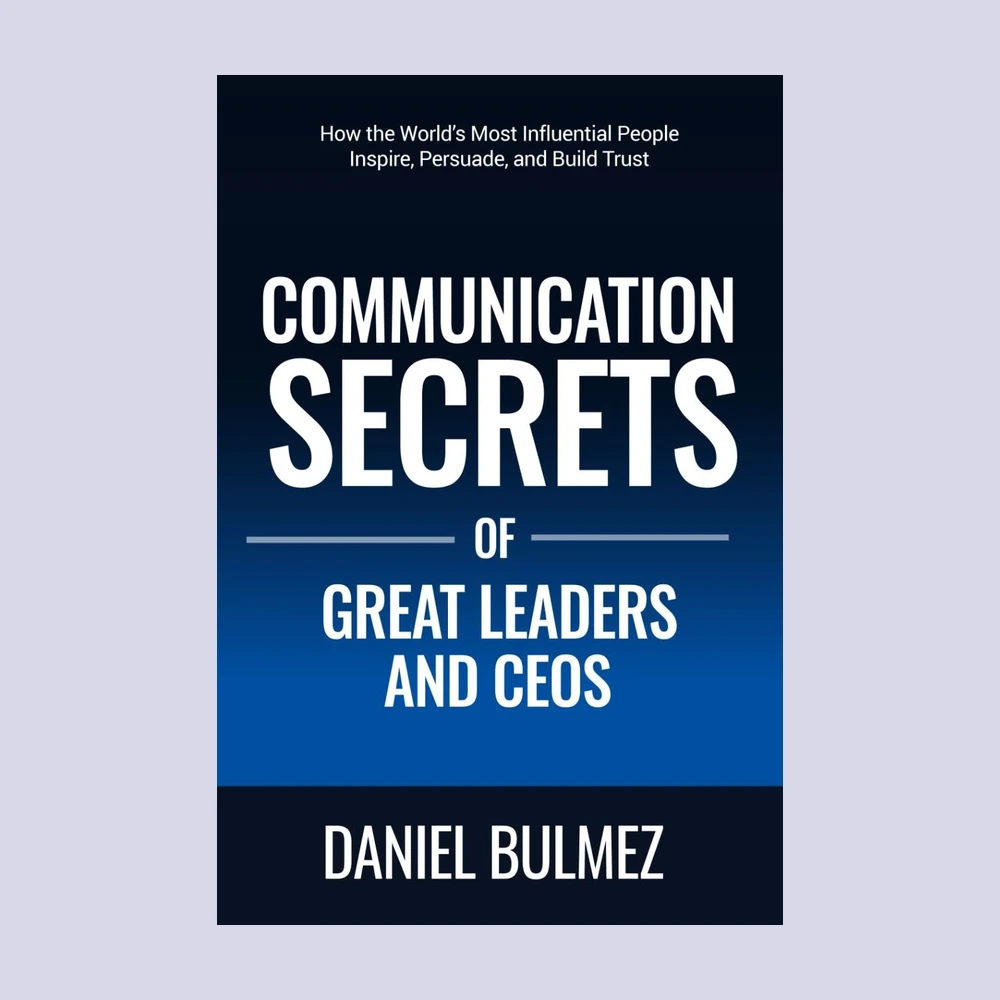
This is also the exact skill separating leaders people follow out of respect from leaders people follow out of obligation. It shows up in negotiation outcomes, in retention, in how fast a team surfaces problems instead of hiding them. It’s a communication skill with a direct line to results — which is why it’s one of the core habits explored in Communication Secrets of Great Leaders and CEOs, alongside the other listening and influence patterns that separate people who are heard from people who are merely talked at.
Try it in your next hard conversation this week: hold the reply, confirm the understanding first, and watch how much less friction the rest of the conversation has.
Daniel Bulmez is the author of Communication Secrets of Great Leaders and CEOs, available on Amazon.