The Elevator Pitch That Doesn’t Sound Like a Pitch
Most elevator pitches sound rehearsed and forgettable. Here's how to build one that sounds like a real conversation — and actually gets remembered.
 Daniel
September 3, 2026
4 min read
Daniel
September 3, 2026
4 min read

Two people get asked the same question at the same networking event: “So what do you do?” One launches into a memorized 30-second script — job title, company mission, three bullet points about scale and growth — delivered at a slightly faster pace than normal conversation, eyes flicking up at the end to check if it landed. The other says one sentence about a problem they solve, then stops talking. The room asks the second person a follow-up question. Nobody asks the first person anything — they just nod, say “cool,” and look for the exit. That’s the entire failure mode of the elevator pitch as it’s usually taught: it’s built to be delivered, not to start a conversation.
Most elevator pitch advice optimizes for the wrong thing. It teaches you to compress your entire professional identity into a tight, rehearsed block of information, on the theory that if you just say enough of the right words fast enough, someone will be impressed. But people can hear a script the moment it starts, and the second they recognize one, they stop listening for content and start waiting for it to end. The actual skill isn’t compression. It’s saying one true, specific thing and knowing when to stop talking.
1. Kill the Memorized Script
A pitch that’s been rehearsed word-for-word sounds rehearsed word-for-word — flat cadence, no pauses in the natural places, eyes that go slightly unfocused mid-sentence because the mouth is running from memory instead of responding to the person in front of it. Nobody trusts a sales pitch, and a memorized script reads as one even when the content is honest. Replace the script with a small set of facts you know cold — the problem you solve, who has it worst, one number or story that proves it — and let the actual sentences change every time. It’ll sound less polished and land harder, because it sounds like you’re talking to the person instead of at them.
2. Lead With the Problem, Not Your Title
“I’m the VP of Growth at a Series B logistics startup” tells a stranger nothing they can respond to — it’s a job title, not information. “I help warehouses stop losing six figures a year to bad delivery routing” gives them something to react to, because it’s a problem, and problems are the one thing every listener instinctively checks against their own life. Lead with what you fix, not what you’re called. The title can come later, if they ask — and naming the problem first is usually what makes them ask.
3. End With a Question, Not a Close
The traditional pitch ends with a pitch for yourself — “so if you ever need X, keep me in mind.” It closes the conversation instead of opening one. A better ending hands the floor back: “What’s slowing your team down right now?” or “Does that sound like something you deal with too?” A question at the end does the thing the whole pitch was supposed to do in the first place — it turns a monologue into a conversation, which is the only format anyone actually remembers a stranger by. This is the same instinct behind good small talk — the goal was never to hold the floor, it was to get a real exchange going.
4. Have Three Lengths, Not One
A single memorized pitch breaks the moment the setting doesn’t match — you either run out of time mid-sentence or trail off into silence with fifteen seconds left over. Build three versions instead: one sentence, thirty seconds, and two minutes. The one-sentence version is the problem you solve, stated plainly. The thirty-second version adds who it’s for and one piece of proof. The two-minute version is what you use when someone actually asks a follow-up and wants the real story. Knowing all three means you’re never stretching or cutting mid-delivery — you’re just picking the length the moment calls for.
5. Practice the Pause, Not the Words
People rehearse what to say and never rehearse the silence after saying it, so when they stop talking, the discomfort makes them keep talking — adding a second sentence, then a third, undoing the clean line they just delivered. The actual skill worth practicing is stopping, letting the sentence land, and tolerating the half-second of silence while the other person decides what to say next. That pause is doing work. It’s the same discipline that makes someone sound more articulate under pressure — not more words, just more control over when the words stop.
What Actually Makes a Pitch Work
None of this is about being more impressive. It’s about saying one true, specific thing, handing the conversation back, and having the range to go longer only when someone actually asks. The people whose pitches get remembered aren’t the ones who packed in the most information — they’re the ones who sounded like they were talking to the one person in front of them instead of reciting something built for a room of strangers.
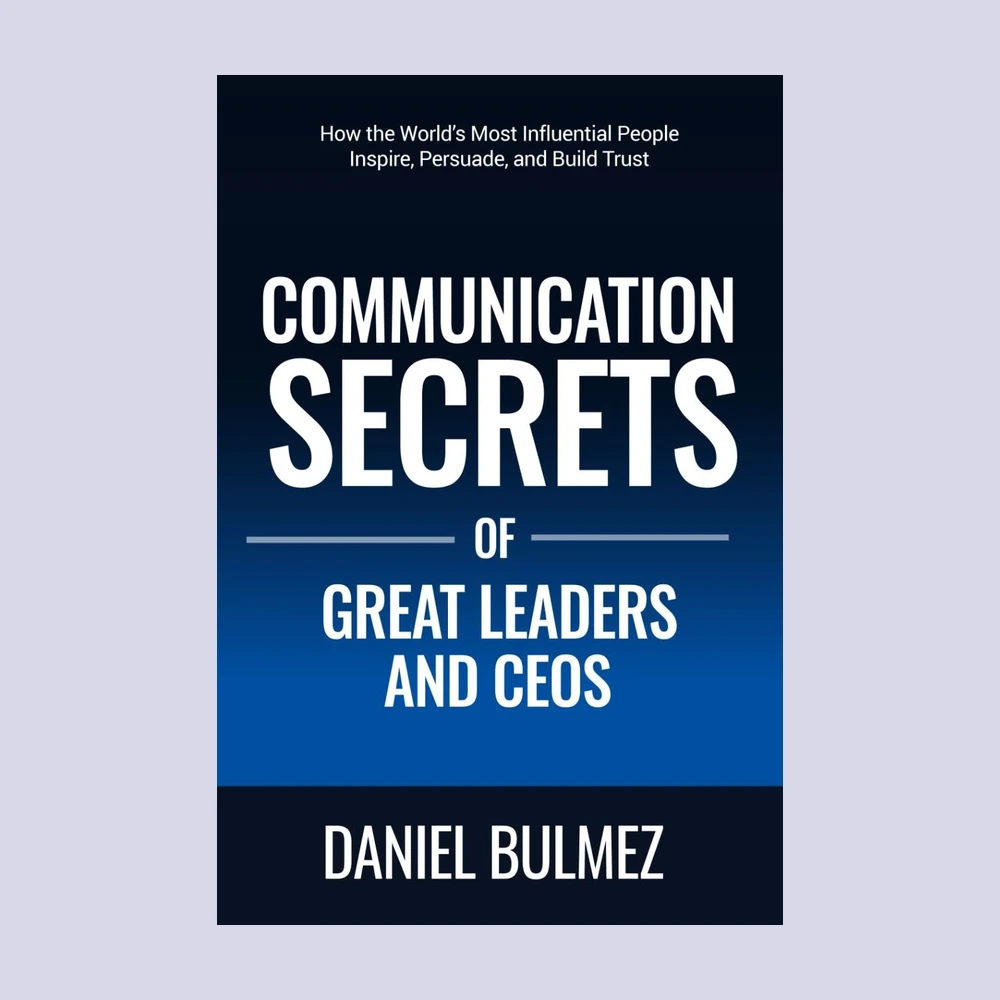
Communication Secrets of Great Leaders and CEOs breaks down how top leaders introduce themselves and their ideas in exactly this way — specific, unrehearsed-sounding, and built to open a conversation instead of close one. If you want the deeper playbook, Communication Secrets of Great Leaders and CEOs lays it out in full, alongside the communication skills this article builds on.
Daniel Bulmez is the author of Communication Secrets of Great Leaders and CEOs, available on Amazon.