Interpersonal Skills: The Ones That Actually Get You Promoted
Being liked isn't what gets you promoted. Here are the interpersonal skills that actually get noticed at work.
 Daniel
September 1, 2026
4 min read
5 views
Daniel
September 1, 2026
4 min read
5 views

Two people are up for the same promotion. One is well-liked — funny in meetings, remembers birthdays, easy to grab a coffee with. The other says less, but every project they touch runs smoother: people loop them in early, disagreements with them stay short, and nobody dreads bringing them bad news. The second person gets the job. Being “good with people” was never really about being liked. It’s about being safe and cheap to work with — and that’s a much narrower, much more learnable skill than most advice makes it sound.
Most lists of interpersonal skills read like a personality test — warm, friendly, a good listener. None of that is wrong, but it’s not what a promotion committee actually notices. What gets noticed is behavioral: does working with this person make things easier or harder for everyone around them? Over a year, that answer compounds into a reputation, and reputation is what gets promoted.
1. Make Yourself Easy to Loop In
People with strong interpersonal skills get included early in decisions — not because they demand a seat at the table, but because including them doesn’t cost anything. They don’t derail the conversation, don’t need everything re-explained from scratch, and don’t turn a five-minute update into a twenty-minute detour. If colleagues have started quietly routing around you to avoid a conversation, that’s the real signal — no self-assessment will tell you that as honestly as your calendar will.
2. Read the Room Before You Read the Agenda
The agenda tells you what a meeting is officially about. The room tells you what it’s actually about — who’s already tense, who lost the argument before it started, who needs a direct question to feel like they’re allowed to speak. People with strong interpersonal instincts read the room first and adjust their opening line accordingly. It’s the same muscle behind real emotional intelligence — noticing what’s happening underneath the words, not just the words themselves.
3. Disagree in a Way People Can Repeat Back
The skill that separates people who get promoted from people who get quietly avoided in meetings is how they disagree. State the other person’s position back to them accurately — in a sentence they’d nod along to — before you push against it. It costs ten seconds and it changes the entire tone of the room, because the other person now knows they were heard instead of just outvoted. It’s the same discipline that makes a difficult conversation survivable instead of a fight.
4. Give Credit in Public, Feedback in Private
Simple, and constantly violated anyway. Praise someone in front of the group and correct them one-on-one, and people trust you fast. Flip the order — correct in public, praise privately where nobody sees it — and trust erodes just as fast, even if the substance of what you said was fair. People remember the room a correction happened in longer than they remember the correction itself.
5. Remember the Detail That Isn’t About Work
A flight someone mentioned, a kid’s recital, a project name they were proud of — following up on it later costs nothing and signals something most colleagues never bother to signal: that you see them as a person, not a function on an org chart. It’s a small habit, but it’s the one people describe when they’re asked why they’d want someone specific on their next team.
What Actually Gets You Promoted
None of this is charm, and none of it requires being the most outgoing person in the room. It’s being easy to include, reading what’s actually happening before reacting to it, disagreeing in a way that doesn’t cost the relationship, and handling credit and correction in the right order. Promotion committees rarely call it “interpersonal skill” out loud — they call it leadership potential, or culture fit, or “people just want to work with them” — but underneath the label, it’s the same thing every time: you make collaboration cheaper for everyone around you.
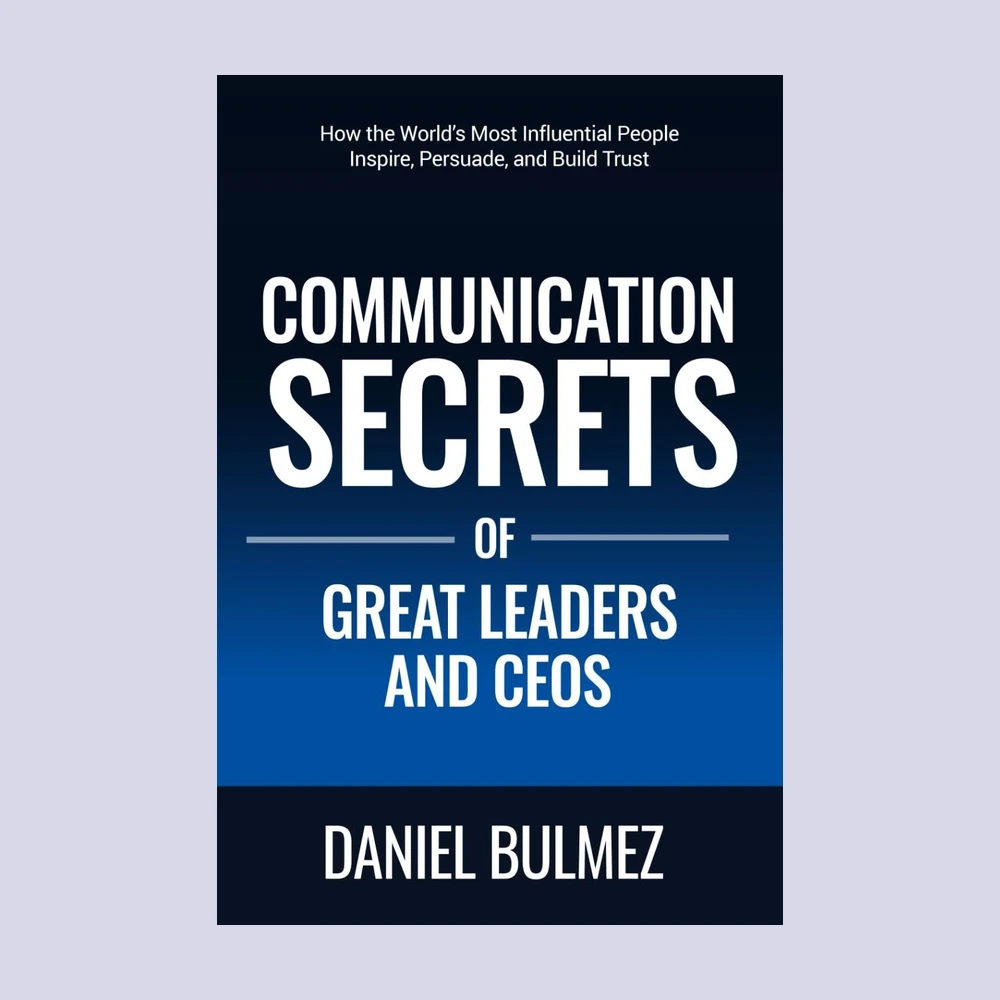
Communication Secrets of Great Leaders and CEOs breaks down exactly how top leaders build that kind of reputation — the specific habits that make people want them in the room before anyone officially puts them in charge. If you want the deeper playbook, Communication Secrets of Great Leaders and CEOs lays it out in full, alongside the communication skills this article builds on.
Daniel Bulmez is the author of Communication Secrets of Great Leaders and CEOs, available on Amazon.