How to Network Without Feeling Like You’re Selling Something
Networking does not have to feel transactional. Here is how to build real professional relationships without the fake small talk or business-card hustle.
 Daniel
September 17, 2026
4 min read
Daniel
September 17, 2026
4 min read

Most people avoid networking for a simple reason: it feels like selling, and nobody wants to feel like they’re being sold to — including the person doing the selling. Walk into a room, trade business cards, deliver a rehearsed pitch about yourself, collect a LinkedIn connection, repeat. It’s exhausting, it rarely leads anywhere, and everyone in the room can tell everyone else is doing the same thing.
The people who are actually good at this aren’t working harder at the transaction. They’ve stopped treating it as one. What looks like a “networking skill” from the outside is really just relationship-building with a professional excuse attached — and once you see it that way, most of what makes networking feel gross disappears.
Why Networking Feels Gross (And What’s Actually Causing That)
The discomfort isn’t irrational. It comes from a real mismatch: you’re supposed to be building a relationship, but the format — name tags, elevator pitches, “so what do you do?” — pushes you toward a transaction instead. Transactions have a winner and a loser, or at least a taker and a giver, and everyone’s nervous system picks up on that framing even when nobody says it out loud. That’s the same instinct that makes a scripted elevator pitch land flat — people feel the performance before they process the words.
The fix isn’t a better script. It’s dropping the idea that the conversation needs to produce something before it ends. The best professional relationships almost never start with an ask.
The Real Skill Isn’t Meeting People — It’s Following Up
Anyone can shake a hand and swap contact info. What actually separates people with strong networks from people with a phone full of names they don’t remember is one unglamorous habit: following up with something specific. Not “great meeting you!” — a note that references what you actually talked about, sent within a day or two while it’s still fresh for both of you.
This is the part almost everyone skips, which is exactly why it works. A specific follow-up signals you were genuinely paying attention instead of performing interest — the same active listening instinct that makes any conversation land. Meeting fifty people at an event and following up with three of them beats collecting fifty cards and following up with none, every time.
What to Say Instead of “So What Do You Do?”
“So what do you do?” is a fine icebreaker, but it invites a rehearsed answer and the conversation often stalls right after it. Better questions get better conversations: “What are you working on that you’re excited about right now?” or “How did you end up doing this?” Both ask for a story instead of a job title, and stories are what people actually remember about each other. This is the same shift that turns small talk into something worth having instead of something to survive.
Once the conversation is real, resist the urge to steer it back to yourself. The person who asks a genuine follow-up question is remembered far more fondly than the person who was more impressive — warmth reads before credibility does, in a hallway conversation just as much as anywhere else.
Give Before You Ask — Even When You Have Nothing to Offer Yet
The advice “always give value first” gets thrown around so often it’s become a cliché, but most people misread what it means. It doesn’t require you to have something impressive to offer. An introduction to someone useful, a relevant article, a genuine answer to a question they mentioned struggling with — all of it counts, and all of it costs you almost nothing. Do this consistently and you become the kind of person whose name comes up when an opportunity does, without ever having asked for one.
This is also what makes networking sustainable instead of draining. A relationship built on mutual usefulness doesn’t need to be “worked” the way a transactional one does — it just needs maintaining, the same way any relationship does.
The Habits That Actually Compound
Reach out before you need something, not only when you do. Reconnect with people from old jobs even when there’s no reason to besides curiosity about how they’re doing. Say yes to the coffee chat that has no obvious payoff — some of the most valuable professional relationships start as the ones with no clear ROI at the time. None of this requires being the most extroverted person in the room. It requires being the person who remembers, follows up, and shows up again — which is a much more learnable skill than charisma, and a much more durable one.
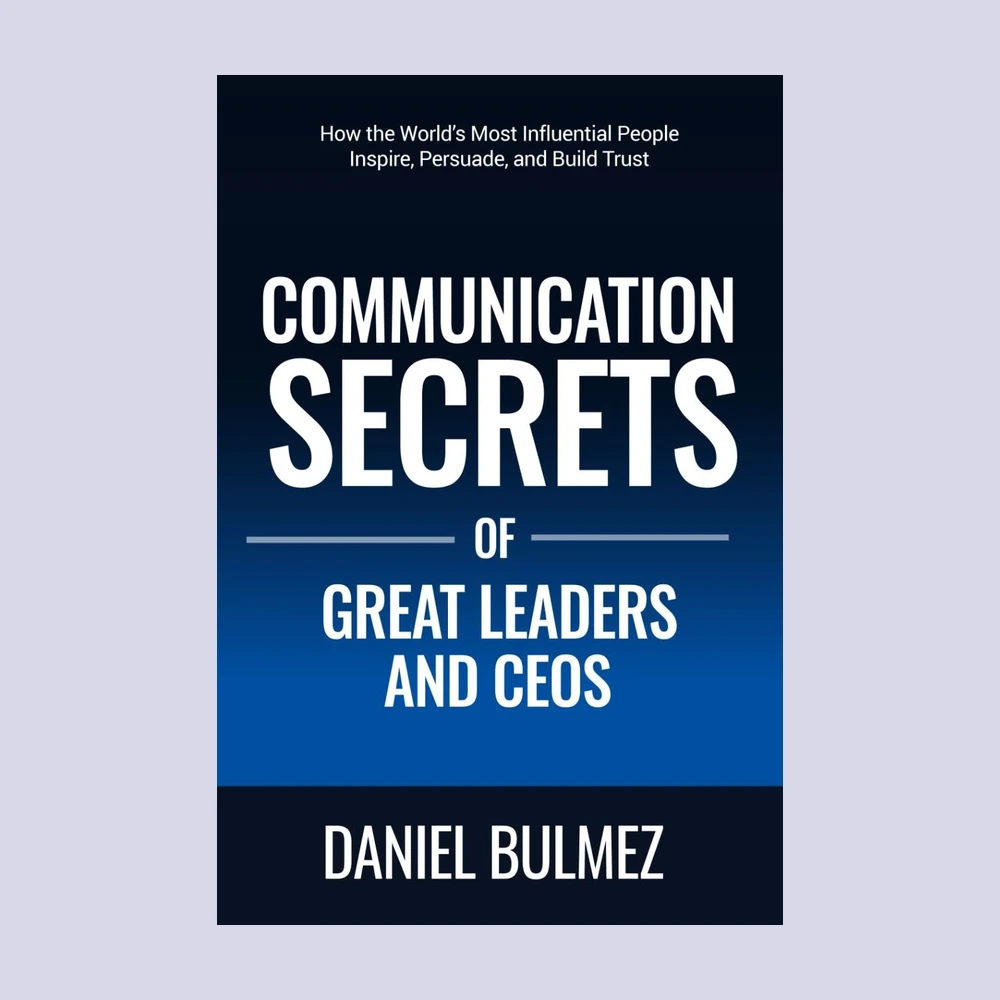
Communication Secrets of Great Leaders and CEOs breaks down how the most connected leaders build these relationships without ever coming across as though they’re working the room — the same instincts that make an elevator pitch land or a first conversation turn into a real one. If you want the fuller playbook, Communication Secrets of Great Leaders and CEOs covers the exact patterns, alongside the interpersonal skills this article builds on.
Daniel Bulmez is the author of Communication Secrets of Great Leaders and CEOs, available on Amazon.