How to Make People Like You Without Being Fake About It
Likability isn't a personality trait — it's a set of specific, learnable behaviors. Here's how to be genuinely liked without flattery or performing.
 Daniel
September 15, 2026
4 min read
Daniel
September 15, 2026
4 min read

Most advice on being likable sounds like a script for a con artist: compliment them, mirror their body language, remember their dog’s name, laugh at the joke that wasn’t funny. Follow it closely enough and people can feel it — the performance registers before the words do, and it does the opposite of what you wanted. Likability that’s manufactured reads as manipulation, and people trust their gut on that faster than they trust anything you say.
The people who are actually well-liked aren’t running a script. They’ve just built a small set of habits that make other people feel a specific way around them — and those habits have nothing to do with being the most interesting person in the room.
Likability Isn’t a Trait, It’s a Behavior
“Some people just have it” is the most common excuse for not working on this skill, and it’s mostly wrong. What looks like natural charm is almost always a handful of repeatable behaviors: asking a real follow-up question instead of waiting to talk, remembering something small from last time, reacting to what someone actually said instead of what you expected them to say. None of that requires a personality transplant. It requires attention, and attention is a skill you can build the same way you’d build active listening — deliberately, and specifically.
People Decide How You Make Them Feel Before They Decide Anything Else
Long before someone judges your résumé, your ideas, or your competence, they’ve already formed a gut read on one thing: does being around you feel good or does it feel like work. That read happens fast, and it happens first. This is why a technically brilliant person can walk into a room and be liked less than someone with half their expertise — the brilliant one is often performing competence while forgetting to make anyone feel comfortable. Warmth reads before skill does, almost every time. Lead with it and the credibility still lands later; lead with credibility and the warmth sometimes never gets a chance to.
The Fastest Way to Be Liked: Stop Trying to Be Interesting
Chasing likability usually looks like trying to be impressive — a better story, a sharper opinion, a more polished version of yourself. It backfires because it turns the conversation into a performance for one, and the other person can feel themselves becoming an audience instead of a participant. The far more reliable move is the opposite: get genuinely curious about them. Ask a real question, then ask the follow-up that shows you actually heard the answer. Most people spend most conversations rehearsing what they’ll say next instead of listening to what’s being said — stop doing that, and the room notices immediately, the same shift that makes small talk land instead of stall.
What Fake Likability Actually Sounds Like
Flattery is the tell. Constant agreement is the tell. Laughing before the punchline lands is the tell. These read as fake because they cost the other person nothing to detect — everyone has met someone who agrees with whatever was just said, and everyone discounts that person’s opinion the moment they notice the pattern. Genuine likability can hold a disagreement. It can say “I don’t think that’s right, here’s why” without the relationship taking damage, because the foundation isn’t approval — it’s respect. People don’t need you to agree with them. They need to feel like you’re actually paying attention, which is a very different thing, and one flattery can never fake for long.
The Habits That Actually Compound
Use someone’s name once in a real conversation, not three times like a sales trick. Bring up something they mentioned last time you spoke — it signals they were worth remembering, which is rarer than it should be. Let a silence sit instead of rushing to fill it; most people confuse being liked with being entertaining, when what actually builds trust is being the person who doesn’t need to perform. None of these are grand gestures. They’re small, repeatable, and — unlike charm — they don’t run out.
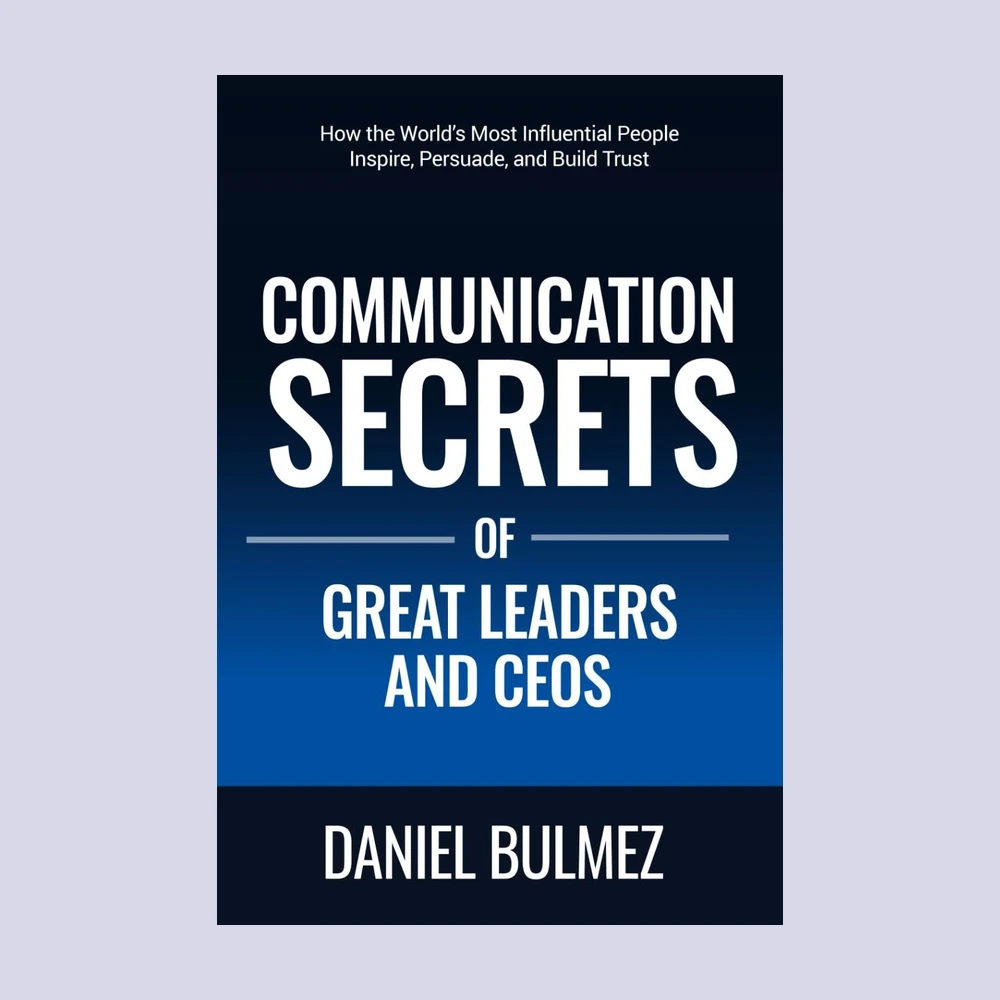
Communication Secrets of Great Leaders and CEOs covers this from the other direction: how the most trusted leaders build real connection without ever coming across as though they’re trying to. If you want the fuller playbook, Communication Secrets of Great Leaders and CEOs breaks down the exact patterns, alongside the communication skills this article builds on.
Daniel Bulmez is the author of Communication Secrets of Great Leaders and CEOs, available on Amazon.


Leave a comment
Your email address will not be published. Your first comment is read before it appears; after that they show straight away.