How to Introduce Yourself: Examples for Meetings, New Jobs and Networking
How to introduce yourself with confidence: a simple four-part formula, real examples for meetings, new jobs and networking, and the mistakes that make you forgettable.
 Daniel
November 18, 2026
8 min read

You walk into a meeting where you know no one. Someone says, “Why don’t we go around the table? Say who you are and what you do.”
You have about ten seconds. Most people spend them badly. They say a name, a job title, and then trail off with “…yeah, so, that’s me.” Or they do the opposite and recite a mini résumé until the facilitator politely cuts in.
Neither is a disaster. Both are wasted. An introduction is the one piece of communication you get to write in advance, because you know it’s coming. Almost nobody does.
Here is a simple structure that works in most situations, examples for the places you’ll actually need it, and the mistakes that make people forgettable.
What a Good Introduction Is Actually For
It’s not for telling people everything about you. It has three smaller jobs:
- Be easy to remember. Not everything about you, just one thing.
- Be easy to place. The listener should know, in a sentence, where you fit.
- Be easy to talk to. Give them something they can ask about.
That third one is the most overlooked. A good introduction isn’t a closed statement. It leaves a door open. The other person can walk through it with a question, and now you’re in a conversation instead of a recitation.
The Four-Part Formula
Here it is. Adjust the length to the room.
1. Your name, said clearly. Slow down on it. It’s the one piece of information they must catch, and nerves make people rush exactly this word.
2. What you do, in plain words. Not your title. Titles vary wildly between companies and mean little to outsiders. Say what you do for whom. “I’m a senior program manager” tells people almost nothing. “I run the team that gets new buildings ready for tenants” tells them a lot.
3. One specific detail. A project, a niche, an odd fact, a place you’ve worked. Something concrete they can picture. This is what people remember.
4. A door. A short hook that invites a question, or a line about why you’re here.
Put together: “I’m Maya Chen. I run the team that gets new buildings ready for tenants, so I spend a lot of time on construction sites in hard hats. I’m here today to learn how other departments handle handovers.”
That’s about fifteen seconds. It gives a name, a place to put her, a picture, and three things someone could ask about. Compare that with “Maya, project manager, operations.”
Examples for the Situations You’ll Actually Face
In a Team Meeting or on a Call
Keep it to ten or fifteen seconds. People are waiting for their own turn and for the meeting to begin.
“Hi, I’m Dev. I’m on the finance side, mostly forecasting. If you’ve ever wondered why your budget came back with questions, I’m one of the people who asked them.”
A little humor is fine when it’s true and light. It tells the room you’re approachable.
On Your First Day at a New Job
You’ll introduce yourself a dozen times in a week, so build a short version and a slightly longer one.
Short: “Hi, I’m Priya. I just joined the product team, coming from retail banking.”
Longer, when someone asks a follow-up: “I spent six years in banking building the app people use to check their balance, so I’m used to designing for people who don’t read instructions. Still learning where everything is here.”
Admitting you’re still learning is not weakness. It invites people to help you, and most people like helping a newcomer who asks.
At a Networking Event
This is where the door matters most. The goal isn’t to explain your whole career. It’s to get a second sentence out of the other person.
“I’m Tom. I help small manufacturers figure out why their orders run late. What brings you here tonight?”
Ending with a question hands the conversation over. If you want more on working a room without feeling like you’re selling something, how to network covers the full approach.
With a Client or Prospect
Lead with them, not you. Your introduction should answer the question they’re silently asking: why should I spend time on this person?
“I’m Sam from Northline. We’ve been working with a few clinics in your region on scheduling, so I thought I’d see whether any of it is useful to you.”
One sentence of relevance beats a paragraph of credentials.
When Someone Says “Tell Me About Yourself”
This is the interview version. Keep it to about a minute, and structure it as present, past, future: what you do now, the relevant path that got you here, and why you want this role.
“I’m currently a customer success lead at a software company, managing about forty accounts. Before that I spent three years in support, which taught me how customers actually talk about problems. I’m looking for a role where I can shape the product earlier, which is why this one caught my eye.”
Don’t start at your birth, and don’t read your résumé aloud. They’ve already read it.
On Video, in Chat or in an Email
Written and remote introductions need one extra rule: say the useful thing in the first line.
“Hi all, I’m Aisha, the new designer on the mobile team. Happy to help with anything visual. I’m usually easiest to reach on Slack.”
If you’re introducing yourself by email to someone you’ve never met, name the connection in the first sentence (“Jamal Reed suggested I get in touch”) and make the ask small and specific.
How to Introduce Someone Else
You’ll be asked to do this too, and it’s an underrated skill. The best introductions make both people look good and hand them something to talk about.
The pattern: name, name, and a reason they should meet.
“Lena, this is Marcus. Marcus just finished a big warehouse automation project. Lena, you mentioned you’re starting something similar next quarter, so I thought you two should compare notes.”
You’ve given each a role, a reason, and a first topic. They don’t have to invent one.
Five Mistakes That Make You Forgettable
- Leading with your title. “Senior associate, strategic initiatives” means nothing to most listeners. Say what you do.
- Rushing your name. If people mishear it, nothing else you said lands. Say it slowly. If your name is often mispronounced, give a quick tip, such as “it rhymes with ‘bright'”. A small bit of help is kind to the listener and it’s easy to remember.
- Reading a script. A memorized paragraph sounds like one. Know your four parts and say them in your own words.
- Apologizing. “I’m just a…” or “It’s not very exciting, but…” tells people to expect little. Skip it.
- Going on too long. If they didn’t ask a follow-up, you probably gave them too much, or no door. Cut a sentence and add a question.
Don’t Forget the Body
Before you say a word, people have already read how you walked up. Face them, hold eye contact for a moment, smile when you say your name, and keep your hands out of your pockets. If you shake hands, keep it brief and firm. Our guide to body language at work breaks down what those signals say, and how to make a good first impression covers the first thirty seconds in more detail.
When they say their name back, repeat it once. “Good to meet you, Priya.” It helps you remember, and it shows you were listening.
How to Practice Without Feeling Silly
You don’t need to rehearse in front of a mirror. Do this once:
- Write your four parts in a sentence each.
- Say it out loud, and time it. You want a ten-second, a thirty-second and a one-minute version.
- Pick a different detail for part three each time you use it, depending on the audience. That keeps you from sounding rehearsed.
- Use it three times this week, then notice what people ask you about. That’s the detail worth keeping.
If you want a polished longer version for situations where you have more time, the elevator pitch is the next step. And if the conversation after the introduction is where you freeze, small talk at work and how to build rapport give you what to say next.
The Real Point of an Introduction
An introduction isn’t a performance. It’s the first small piece of evidence about what it’s like to deal with you. Clear, warm, specific and short tells people you respect their time and you know your own value. Do it well a few times and it stops feeling like a test.
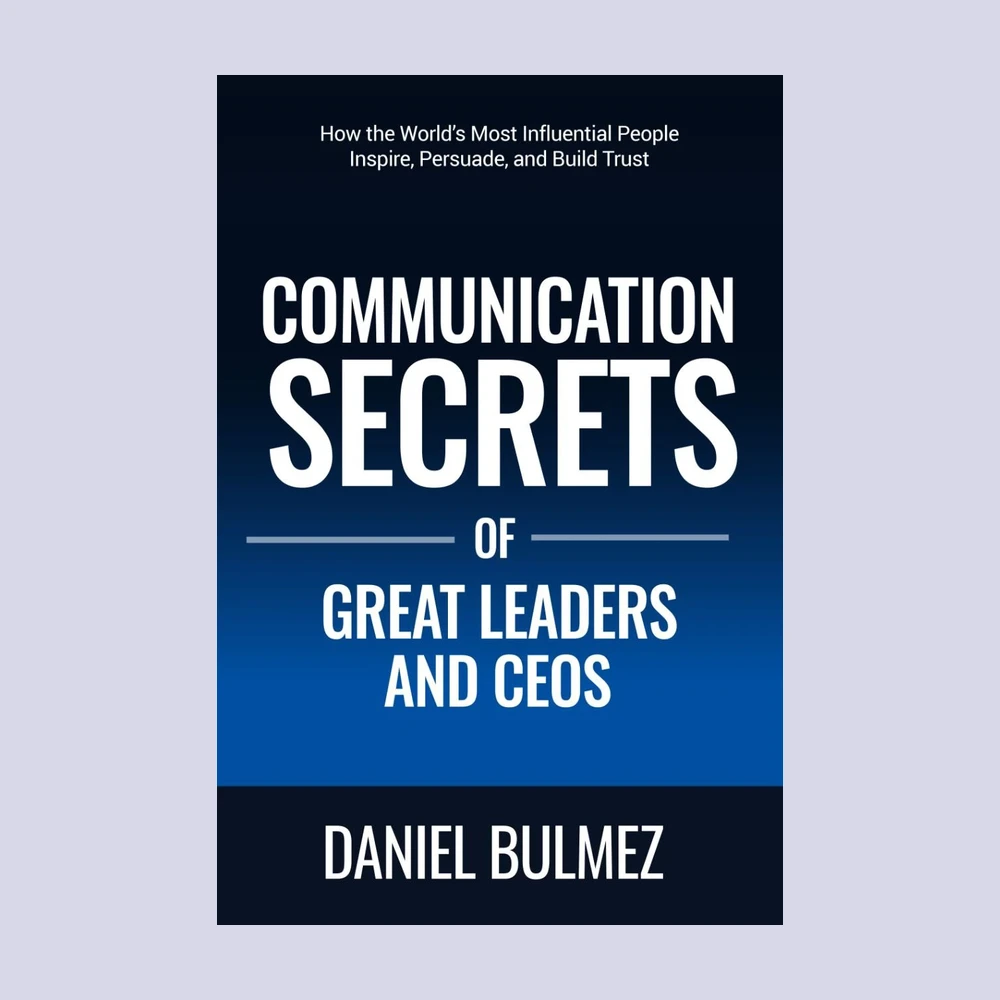
The leaders profiled in Communication Secrets of Great Leaders and CEOs treat that first moment in a room as part of the job, not a formality before it. They say who they are in a way that sets the tone for everything after. If you want the deeper playbook, including how top leaders open conversations so people lean in, Communication Secrets of Great Leaders and CEOs is where to go next. And to turn good openings into a broader habit, start with how to be a better communicator.
Daniel Bulmez is the author of Communication Secrets of Great Leaders and CEOs, available on Amazon.